

Who is CFD for? This is one of the most important questions traders should ask before entering the world of Contract for Difference trading. In this article below, we’ll break down exactly who CFDs are designed for and whether this market truly matches your trading style, experience level, and risk tolerance.
Understanding CFD trading before deciding if it’s right for you
Before answering the question Who is CFD for?, it’s essential to clearly understand what CFDs are and how they work in practice.
What is CFD trading?
CFD stands for Contract for Difference. When trading CFDs, you do not buy or sell the actual asset. Instead, you enter into a contract with a broker to exchange the difference in the asset’s price from the time you open the position to when you close it.
- For example, if you expect the price of gold to rise, you can open a long position. If the price increases as anticipated, you profit from the difference. Conversely, if the price falls, you incur a loss. Importantly, you can also open a short position if you believe the market will decline, something that is more complex in traditional investing.

CFDs can be traded across a wide range of markets, including: Forex (foreign exchange), Stocks, Indices, Commodities (such as gold and oil), Cryptocurrencies. This diversity makes CFDs appealing to many different types of traders.
>>See more:
- How to Place a CFD Order in 5 Steps
- Step-by-Step CFD Trading Guide for Beginners
- CFD Emotion Control: The Key to Success in CFD Market
- Short term CFD Trading: Strategies and Secrets to Success
Key features of CFDs
Several characteristics distinguish CFDs from traditional investments:
- First, there is margin trading. You only need to deposit a small percentage of the total trade value to control a much larger position.
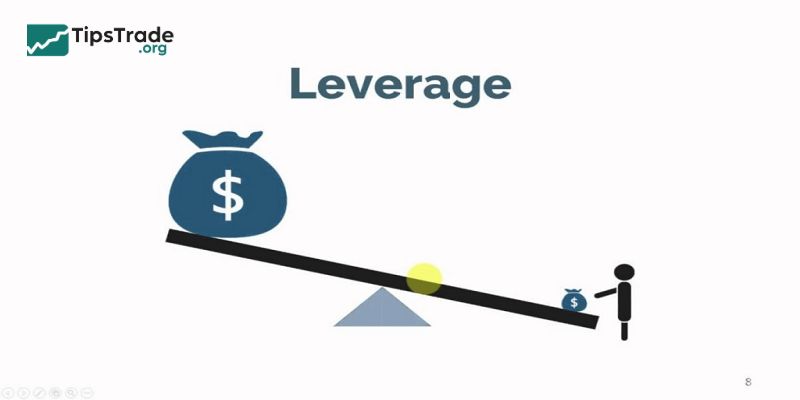
- Second, there is leverage. Leverage is a double-edged sword. It can significantly amplify profits, but it can also magnify losses just as quickly.
- Third, CFDs allow two-way trading. You can potentially profit whether markets are rising or falling.
- Fourth, CFDs generally offer high liquidity. Many CFD markets, especially Forex, operate nearly 24 hours a day, five days a week.
However, CFD trading usually involves spreads, commissions, and overnight fees (swap) if positions are held for extended periods.
Risks involved in CFD trading
- CFDs are not designed for individuals who do not fully understand risk. High leverage can cause an account to be wiped out quickly without strict risk management.
- In addition, during periods of high volatility, you may receive a margin call, a request to deposit additional funds to maintain your open positions. If you fail to meet this requirement, your positions may be automatically closed (stop out).
- Psychological factors also present significant risk. Rapid price fluctuations can lead traders to make emotional decisions, often resulting in costly mistakes.

Who is CFD for? Types of traders who may benefit
So, who is CFD for? Below are the types of traders who may benefit the most from CFD trading.
Experienced traders looking for leverage opportunities
CFDs are particularly suitable for traders with experience in technical analysis and risk management. These traders understand how to use leverage strategically rather than recklessly. They typically operate with clear trading plans, set stop loss and take profit levels appropriately, and maintain disciplined risk-to-reward ratios. For them, CFDs are a flexible tool for optimizing capital efficiency.
Short-term traders and day traders
CFDs are highly attractive to short-term traders such as scalpers, day traders, and swing traders. Since there is no need to own the underlying asset, traders can enter and exit positions quickly. Short-term market volatility provides opportunities for profit. With leverage, traders can potentially enhance returns within a shorter timeframe, provided their strategies are effective.
Investors who want to trade both rising and falling markets
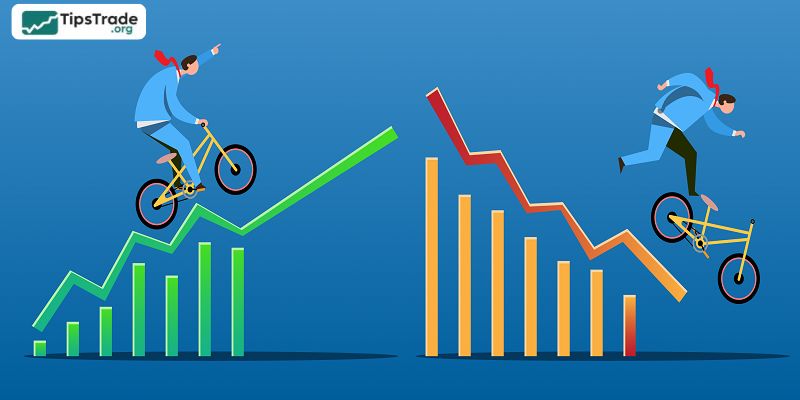
One key reason many people ask Who is CFD for? is the ability to trade in both directions. In a declining market, traditional investors often have limited options other than waiting. With CFDs, however, you can open short positions and potentially profit from falling prices. This flexibility allows traders to seek opportunities in various market conditions.
Traders with limited capital
CFDs allow traders to enter the market with relatively small capital thanks to margin requirements. Some brokers allow accounts to be opened with just a few hundred dollars. This accessibility is particularly appealing to individuals who want exposure to global markets but do not have large initial capital. However, smaller accounts can also face higher risk if leverage is misused.

Diversification-focused investors
Traders looking to diversify their portfolios may also benefit from CFDs. Instead of opening multiple accounts across different asset classes, they can access various markets from a single trading platform. This enables broader risk distribution and creates opportunities across different economic cycles.

Who should avoid CFD trading?
In addition to asking Who is CFD for?, it is equally important to consider who should avoid it.
Beginners with no risk management knowledge
If you are completely new to trading and lack a solid understanding of risk management, CFDs may be too risky. Many beginners are attracted by the potential for high returns but underestimate the associated risks. A lack of understanding about leverage can lead to rapid and significant losses.

Long-term buy and hold investors
CFDs are generally not suitable for long-term investment strategies. Overnight fees can accumulate over time, reducing overall profitability. So, if you are a long-term investor seeking dividends and capital appreciation over years, directly owning assets such as stocks may be more appropriate.
Risk-averse individuals
If you are uncomfortable with significant price fluctuations or feel anxious when your account balance changes rapidly, CFD trading may not be suitable. Constant volatility can create emotional pressure, which may impair decision-making and lead to poor trading outcomes.
Is CFD suitable for retail or professional traders?
CFDs can be suitable for both retail and professional traders, though the level of suitability differs.
- Retail traders are often subject to leverage limits imposed by regulators to protect smaller investors. While this reduces risk, it may also limit profit potential.
- Professional traders, on the other hand, may access higher leverage and more favorable trading conditions. However, to qualify as a professional trader, individuals usually must meet specific criteria related to trading experience, transaction volume, and net assets.

Key questions to ask yourself before trading CFDs
Before deciding whether CFDs are right for you, consider the following:
- Do you fully understand how leverage works?
- Do you have a concrete risk management plan?
- How much capital are you prepared to lose?
- Do you have sufficient time to monitor the markets?
- Are your goals short-term or long-term?
Honest answers to these questions can help you avoid costly mistakes.
Pros and cons of CFD trading
CFDs offer several advantages. You do not need to own the underlying asset, you can trade in both directions, you gain access to global markets, and you can start with relatively low capital. Flexibility is one of the strongest advantages of CFD trading.
However, there are notable disadvantages. Leverage significantly increases risk. Overnight fees can impact long-term profitability. You do not receive shareholder rights when trading stock CFDs. Most importantly, CFD trading requires strict discipline and strong capital management.
Hopefully the article above has helped you answer the question “Who is CFD for?“. Wish all traders success and get high profit when trading in the CFD market!
See more: