

Venture capital funds and hedge funds are two of the most prominent forms of alternative investments, yet they are often misunderstood or incorrectly grouped together. While both operate outside traditional stock and bond markets, their investment strategies, risk profiles, liquidity structures, and return expectations differ significantly. For investors seeking portfolio diversification, understanding the difference between VC funds vs hedge funds is not just helpful—it is essential. Whether you are an accredited investor, finance professional, or curious learner, this article provides a clear, experience-backed comparison so you can make informed decisions aligned with your financial goals. Explore the detailed article at Tipstrade.org to be more confident when making important trading decisions.
What Are Venture Capital Funds?
Definition and Core Purpose
Venture capital (VC) funds are pooled investment vehicles that provide capital to early-stage, high-growth companies in exchange for equity ownership. Their core objective is long-term capital appreciation, driven by the belief that a small number of successful startups can generate outsized returns. VC funds typically invest in seed, Series A, Series B, and later growth rounds, depending on their mandate.
From an investor’s perspective, VC funds represent exposure to innovation, technology disruption, and emerging business models. In practice, fund managers (General Partners) actively support portfolio companies through strategic guidance, board participation, and access to networks. This hands-on involvement distinguishes VC investing from more passive asset classes and reflects why venture capital returns are often described as “power-law distributed.”
How VC Funds Make Money
VC funds primarily generate returns through liquidity events, not ongoing income. These events include initial public offerings (IPOs), mergers and acquisitions (M&A), or secondary share sales. Unlike hedge funds, VC funds do not aim for steady quarterly performance. Instead, they accept high failure rates in pursuit of a few breakout successes.
In real-world fund performance reviews, it is common for 50–70% of startups to return little or no capital, while one or two investments deliver the majority of fund returns. According to data cited by the National Venture Capital Association (NVCA), top-quartile VC funds historically outperform public markets, but median funds often do not. This asymmetry underscores the importance of manager selection and long-term patience when investing in venture capital.

What Are Hedge Funds?
Definition and Investment Objectives
Hedge funds are actively managed investment vehicles that aim to generate absolute returns, regardless of market direction. Unlike VC funds, hedge funds invest primarily in liquid securities, including equities, bonds, derivatives, currencies, and commodities. Their goal is not necessarily long-term ownership but risk-adjusted performance across market cycles.
In practice, hedge funds appeal to investors seeking portfolio diversification, downside protection, or tactical exposure. They often employ leverage, short-selling, and complex trading strategies. While hedge funds were originally designed to “hedge” market risk, many modern hedge funds focus on return optimization rather than pure risk mitigation.
Common Hedge Fund Strategies
Hedge funds employ a wide range of strategies, each with distinct risk and return characteristics. The most common include:
- Long/short equity: Buying undervalued stocks while shorting overvalued ones
- Global macro: Betting on macroeconomic trends such as interest rates or currencies
- Event-driven: Trading around mergers, restructurings, or bankruptcies
- Quantitative strategies: Using algorithmic models and statistical arbitrage
According to research from the CFA Institute, strategy selection matters more than asset class labels. Two hedge funds can behave very differently depending on their exposure, leverage, and risk controls. This diversity is both a strength and a challenge for investors evaluating hedge fund performance.
Venture capital funds and hedge funds: Structural Differences
Fund Structure and Legal Setup
Both VC funds and hedge funds typically operate as limited partnerships, where investors act as Limited Partners (LPs) and fund managers serve as General Partners (GPs). However, their operational structures differ significantly.
VC funds are usually closed-end vehicles with fixed lifespans of 7–10 years. Capital is committed upfront and drawn down over time. Hedge funds, by contrast, are often open-ended, allowing periodic subscriptions and redemptions. This structural difference reflects the underlying asset liquidity and investment horizon of each fund type.
Liquidity and Investment Horizon
Liquidity is one of the clearest distinctions between VC funds and hedge funds. Venture capital investments are highly illiquid, with no secondary market for most holdings. Investors must be prepared to lock up capital for a decade or longer.
Hedge funds generally offer quarterly, semi-annual, or annual liquidity, subject to notice periods and gates. This flexibility makes hedge funds more suitable for investors who require access to capital or dynamic portfolio rebalancing. However, increased liquidity often comes at the cost of lower return potential compared to successful VC investments.
Risk and Return Profiles Compared
Risk Characteristics
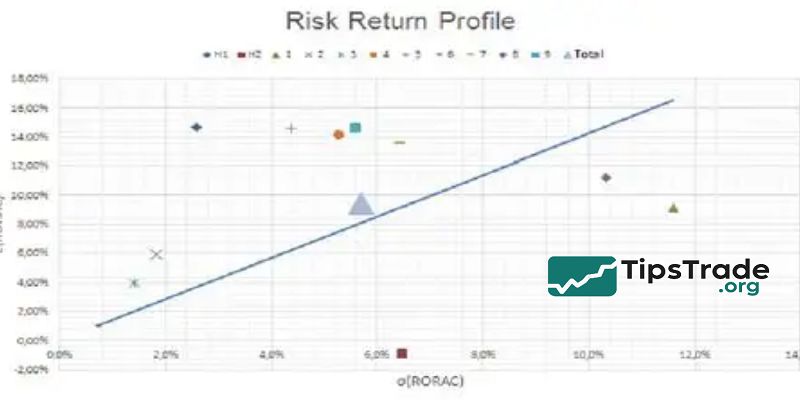
Venture capital carries idiosyncratic risk, primarily tied to startup execution, market adoption, and timing. Many portfolio companies fail outright, making diversification within a fund critical. Hedge fund risk, on the other hand, is often linked to market volatility, leverage, and model risk.
From observed investor behavior, VC risk is binary and long-term, while hedge fund risk is continuous and mark-to-market.
This difference affects not only returns but also the psychological experience of investing. VC investors may see little feedback for years, whereas hedge fund investors receive frequent performance updates.
Expected Returns and Performance Metrics
VC fund performance is typically measured using Internal Rate of Return (IRR) and multiple on invested capital (MOIC). Hedge fund performance is evaluated through annualized returns, Sharpe ratios, and drawdowns.
Academic research from Cambridge Associates suggests that top-quartile VC funds can generate IRRs exceeding 20%, while hedge fund returns tend to cluster closer to mid-single digits above benchmarks. However, survivorship bias is a major concern in venture capital reporting, reinforcing the need for cautious interpretation of headline returns.
Investor Requirements and Accessibility
Who Can Invest in VC Funds?
VC funds are generally limited to accredited investors, institutions, and family offices. Minimum commitments often range from $250,000 to several million dollars. Regulatory restrictions in the US and UK aim to protect less experienced investors from the high risk and illiquidity associated with venture capital.
In practice, individual investors may access VC exposure through fund-of-funds, secondary markets, or listed venture vehicles, but direct fund participation remains restricted. This exclusivity contributes to the perception of VC as a specialized, elite asset class.
Who Invests in Hedge Funds?
Hedge funds also cater primarily to accredited investors, but minimum investments are often lower than those of VC funds. Many hedge funds accept commitments starting at $100,000, making them comparatively more accessible.
Institutional investors such as pension funds and endowments frequently allocate to hedge funds as part of a broader alternative investment strategy. Their goal is often volatility reduction and downside protection, rather than maximum absolute return.
Fee Structures – VC vs Hedge Funds
Management Fees and Carried Interest
Both VC funds and hedge funds traditionally follow the “2 and 20” model—2% annual management fee and 20% performance fee. However, implementation differs. VC carried interest is typically realized only after returning all invested capital, while hedge fund performance fees may be calculated annually.
This difference affects incentives. VC managers are rewarded for long-term value creation, while hedge fund managers are incentivized to deliver consistent short-term results. Recent industry trends show downward pressure on fees, especially among hedge funds facing increased competition.
Alignment of Incentives
From an investor’s perspective, incentive alignment matters more than headline fees. VC fund structures encourage patience and deep involvement with portfolio companies. Hedge fund structures emphasize capital efficiency and risk management.
According to commentary from institutional allocators, misaligned incentives—such as excessive leverage or short-term performance chasing—can erode trust and long-term outcomes. Transparent reporting and clear investment mandates are therefore critical for both fund types.
Role in a Diversified Portfolio

VC Funds as Long-Term Growth Assets
VC funds are often positioned as return enhancers within a diversified portfolio. Their low correlation with public markets provides diversification benefits, but only for investors who can tolerate illiquidity and volatility.
In practice, many family offices allocate 5–15% of their portfolios to venture capital, viewing it as exposure to technological and societal change. This allocation is typically paired with patient capital and a long-term investment horizon.
Hedge Funds as Risk-Adjusted Return Tools
Hedge funds are commonly used to smooth portfolio volatility and manage downside risk. Their ability to profit in both rising and falling markets makes them attractive during periods of economic uncertainty.
Empirical studies suggest that hedge funds can improve risk-adjusted returns, though results vary widely by strategy and manager. As with VC funds, due diligence and ongoing monitoring are essential.
Venture capital funds and hedge funds vs Private Equity
Key Differences at a Glance
| Feature | VC Funds | Hedge Funds | Private Equity |
| Investment Stage | Early-stage startups | Public & liquid assets | Mature private companies |
| Liquidity | Very low | Medium | Low |
| Time Horizon | 7–10+ years | Short to medium | 5–7 years |
| Return Profile | Power-law | Risk-adjusted | Operational value creation |
This comparison highlights why VC funds and hedge funds serve different roles, even though both fall under the alternative investment umbrella.\
Pros and Cons Summary

sAdvantages and Disadvantages of VC Funds
Pros
- High return potential
- Exposure to innovation
- Low correlation with public markets
Cons
- Long lock-up periods
- High failure rates
- Limited transparency
Advantages and Disadvantages of Hedge Funds
Pros
- Liquidity and flexibility
- Downside protection
- Strategy diversity
Cons
- Fee drag
- Performance dispersion
- Complexity
Conclusion
Understanding the difference between VC funds vs hedge funds is crucial for anyone exploring alternative investments. While both offer diversification beyond traditional assets, they serve very different financial objectives. Venture capital rewards patience and belief in innovation, whereas hedge funds emphasize flexibility and risk-adjusted performance. The right choice depends on time horizon, liquidity needs, and risk tolerance. By aligning investment strategy with personal goals—and conducting thorough due diligence—investors can use both VC funds and hedge funds as complementary tools within a well-constructed portfolio.