

Risks of Pension Funds pose significant challenges to retirees’ financial security in an era of increasing life expectancy and volatile markets. Pension funds, designed to provide long-term retirement income, are exposed to various threats including market fluctuations, longevity risk, and regulatory changes. These vulnerabilities can erode the promised benefits, leaving beneficiaries vulnerable to economic downturns. Understanding these risks is crucial for policymakers, fund managers, and individuals to safeguard retirement savings effectively. Explore the detailed article at Tipstrade.org to be more confident when making important trading decisions.
Understanding Risk in Pension Funds
Why Pension Funds Are Not Risk-Free
Many individuals assume pension funds are inherently safe because they are designed for long-term retirement income. In reality, pension funds face multiple layers of risk that can affect their ability to deliver promised benefits.
These risks stem from financial markets, demographic changes, economic cycles, and policy decisions. While pension funds typically invest with a long-term horizon, they are still exposed to market downturns, interest rate fluctuations, and inflationary pressures.
From an experiential perspective, several public pension funds in the United States faced significant losses during the 2008 global financial crisis. According to data from the Federal Reserve, major state pension systems experienced funding declines of 20–30% within a single year.
These events demonstrated that even diversified pension portfolios cannot fully avoid systemic risk. Pension funds rely on assumptions about future returns, contribution levels, and life expectancy, and when these assumptions prove inaccurate, financial strain emerges.
Understanding that pension funds carry risk is the first step toward realistic retirement planning.
Who Bears the Risks in Pension Systems?
The risks of pension funds are not distributed evenly. Different stakeholders bear different consequences depending on the pension structure. In defined benefit (DB) plans, employers and governments often shoulder investment and longevity risks.
In defined contribution (DC) plans, individuals carry the majority of market risk and investment uncertainty. Hybrid pension systems share risks between employers and employees.
In practice, underfunded public pension systems often shift the burden to taxpayers. For example, research by the National Bureau of Economic Research (NBER) shows that unfunded pension liabilities in U.S. states exceed trillions of dollars, creating long-term fiscal pressure.
Retirees may face benefit freezes, reduced cost-of-living adjustments, or delayed retirement ages. Employees may experience higher contribution rates, while governments may divert public funds away from essential services.
Understanding who ultimately bears pension risk helps individuals evaluate the security of their retirement income and encourages transparent pension governance.
Investment Risks in Pension Funds
Market Volatility and Asset Price Risk
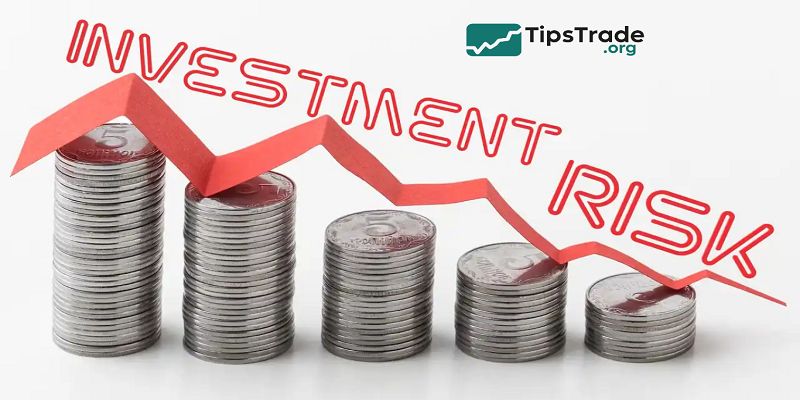
Market volatility is one of the most significant risks facing pension funds. Pension assets are typically invested across equities, bonds, real estate, and alternative investments.
While diversification helps reduce risk, it does not eliminate exposure to broad market downturns. Equity-heavy portfolios, in particular, are vulnerable during economic recessions.
Historical experience shows how market shocks impact pension performance. During the COVID-19 market crash in early 2020, global pension fund assets temporarily declined by more than 10%, according to the OECD.
Although many funds recovered later, short-term losses highlighted the sensitivity of pension assets to systemic risk. For retirees nearing retirement, market downturns can permanently affect benefit levels if losses occur at critical withdrawal periods.
Market volatility remains a structural risk that pension funds must manage carefully through asset allocation, rebalancing, and long-term planning.
Interest Rate and Inflation Risk
Interest rate risk is closely linked to pension fund solvency. When interest rates fall, the present value of future pension liabilities increases, making obligations more expensive to fund.
At the same time, low interest rates reduce bond yields, which are a core component of pension portfolios. This dual effect can significantly strain pension funding ratios.
Inflation risk further complicates the picture. Rising inflation erodes the purchasing power of fixed pension benefits, especially in systems without automatic cost-of-living adjustments. According to IMF research, prolonged inflationary periods can reduce real retirement income by 20–30% over a typical retirement span.
From a practical standpoint, retirees in high-inflation environments often find their pensions insufficient to cover healthcare and living expenses. Managing interest rate and inflation risk requires dynamic investment strategies and periodic benefit adjustments.
Funding and Solvency Risks
Underfunding and Funding Ratio Risk
Underfunding is one of the most widely discussed risks of pension funds. A pension fund is underfunded when its assets are insufficient to cover its future liabilities. Funding ratios below 80% are commonly viewed as warning signals by financial analysts. Persistent underfunding limits a pension fund’s ability to pay promised benefits without external support.
Experience from public pension systems shows the consequences of chronic underfunding. Several European and U.S. state pension plans have struggled with funding gaps due to optimistic return assumptions and inadequate contributions.
According to the World Bank, underfunded pension systems can destabilize public finances and crowd out social spending.
Addressing underfunding requires increased contributions, benefit reforms, or improved investment performance, each of which involves political and economic trade-offs.
Contribution Shortfalls and Fiscal Pressure
Contribution risk arises when employers or employees fail to contribute sufficient funds to the pension system.
Economic downturns often lead to reduced contributions as employers face financial stress and governments prioritize short-term spending needs. Over time, contribution shortfalls compound funding problems.
Fiscal pressure is particularly evident in public pension systems. Research by the IMF indicates that aging populations and rising pension costs can increase government debt levels if pension obligations are not properly managed.
In some cases, governments resort to borrowing or reallocating tax revenues to meet pension payments.
This creates intergenerational risk, where future taxpayers bear the cost of past underfunding. Sustainable contribution policies are essential for maintaining long-term pension solvency.
Longevity and Demographic Risks
Increasing Life Expectancy and Longevity Risk
Longevity risk refers to the possibility that retirees live longer than expected, increasing the total cost of pension benefits. Advances in healthcare and living standards have significantly extended life expectancy over the past century.
While longer lives are a positive social outcome, they pose financial challenges for pension systems.
According to OECD data, average life expectancy in developed countries has increased by more than 10 years since 1970. Pension systems that were designed decades ago often underestimated this trend.
As a result, pension funds must pay benefits for longer periods without corresponding increases in contributions. Longevity risk is especially problematic for defined benefit plans, where benefits are guaranteed regardless of lifespan.
Addressing this risk requires updated actuarial assumptions and flexible retirement age policies.
Aging Populations and Shrinking Workforces
Demographic shifts amplify pension risks. Aging populations reduce the ratio of active workers to retirees, weakening contribution inflows. In many countries, declining birth rates mean fewer workers are available to support growing retiree populations.
Japan provides a clear example of demographic risk. With one of the world’s oldest populations, Japan faces mounting pension costs and labor shortages. According to World Bank studies, similar trends are emerging across Europe and parts of Asia.
Shrinking workforces increase the burden on pension systems and may force benefit reductions or tax increases. Demographic risk highlights the importance of pension reform and labor market adaptation.
Governance and Management Risks

Weak Oversight and Fiduciary Failures
Governance risk arises when pension funds lack strong oversight, transparency, or professional management. Poor governance can lead to excessive risk-taking, conflicts of interest, or misallocation of assets. Fiduciary failures undermine trust in pension systems and can result in significant financial losses.
Real-world examples include pension scandals involving mismanagement or political favoritism. Studies by the OECD emphasize that strong governance frameworks improve long-term pension performance.
Independent boards, clear accountability, and transparent reporting are essential safeguards. Without proper oversight, even well-funded pension systems can deteriorate rapidly.
Political Interference and Decision-Making Risk
Political risk is particularly relevant for public pension funds. Governments may alter pension rules for short-term political gain, delaying necessary reforms or making unrealistic benefit promises. Political interference can distort investment decisions and funding policies.
In several countries, pension contributions have been diverted to cover budget deficits, weakening long-term sustainability. IMF research shows that politically driven pension decisions often increase fiscal risk. Maintaining pension independence and long-term planning horizons is critical to managing political risk effectively.
Policy and Regulatory Risks
Pension Reform and Benefit Changes
Policy risk arises when governments reform pension systems to address financial pressures. Reforms may include raising retirement ages, reducing benefits, or changing indexation rules. While reforms can improve sustainability, they also create uncertainty for participants.
For example, pension reforms across Europe following the sovereign debt crisis led to reduced benefits for some retirees.
According to OECD analysis, gradual and transparent reforms are more effective than abrupt changes. Policy risk underscores the importance of adaptability in retirement planning.
Legal and Regulatory Uncertainty
Legal risk involves changes in pension regulations, tax treatment, or labor laws. Regulatory uncertainty can affect contribution incentives and benefit security. Inconsistent regulation may discourage participation or complicate cross-border pension management.
International pension funds, in particular, face compliance challenges across jurisdictions. Stable legal frameworks support trust and long-term participation in pension systems.
Risks for Different Stakeholders
Risks for Employees and Retirees
- Employees and retirees face income uncertainty when pension risks materialize. Reduced benefits, delayed retirement, or lower purchasing power can significantly affect quality of life.
- Individuals relying heavily on a single pension source are especially vulnerable.
Risks for Employers and Taxpayers
- Employers may face higher contribution requirements, while taxpayers often bear the cost of public pension shortfalls.
- Rising pension obligations can crowd out public investment and social services.
How Pension Funds Manage and Mitigate Risks

Diversification and Long-Term Investment Strategies
- Diversification across asset classes, regions, and investment styles is a core risk management strategy.
- Long-term horizons allow pension funds to absorb short-term volatility, provided governance remains strong.
Actuarial Reviews and Governance Reforms
- Regular actuarial assessments help align assumptions with reality. Governance reforms improve accountability and resilience, according to World Bank best practices.
Conclusion
Risks of Pension Funds underscore the need for robust risk management strategies to protect retirees’ futures. By diversifying investments, incorporating longevity hedges, and enhancing regulatory oversight, stakeholders can mitigate potential losses and ensure sustainable payouts. Ultimately, proactive measures today will preserve the integrity of pension systems, fostering financial stability for generations to come.