
Hedge funds reporting refers to the process through which hedge funds disclose performance data, risk exposure, regulatory filings, and investor information to various stakeholders. Terms such as regulatory reporting, investor disclosure, SEC reporting, Form PF, Form ADV, fund transparency, and risk reporting frequently appear when investors research this topic. Explore the detailed article at Tipstrade.org to be more confident when making important trading decisions.
What Is Hedge Funds Reporting?
Hedge funds reporting is the structured disclosure of financial, operational, and risk-related information by hedge funds to regulators, investors, and service providers. Unlike publicly traded mutual funds, hedge funds operate under lighter disclosure rules, but they are still subject to specific reporting obligations designed to protect investors and monitor systemic risk.
From an industry perspective, reporting serves two primary purposes. First, it enables regulatory oversight, allowing authorities to assess leverage, liquidity, and interconnectedness within the financial system. Second, it supports investor decision-making by providing transparency into performance, fees, and risk exposures.
According to the CFA Institute, hedge fund reporting occupies a middle ground between full public disclosure and complete opacity. While hedge funds are not required to publish daily holdings, they must still provide sufficient information to meet compliance standards and investor expectations. This balance reflects the tension between transparency and the need to protect proprietary trading strategies.
Who Requires Hedge Funds to Report?
Hedge funds do not report to a single audience. Instead, reporting obligations depend on who is requesting the information and for what purpose.
Key stakeholders include:
- Regulators, such as the U.S. Securities and Exchange Commission (SEC)
- Investors, including institutions and accredited individuals
- Service providers, such as administrators and custodians
- Risk counterparties, including prime brokers
Each stakeholder requires different levels of detail. Regulators focus on systemic risk and market stability, while investors prioritize performance consistency, risk controls, and fee transparency. This multi-layered reporting structure makes hedge fund reporting more complex than traditional fund disclosure.
Types of Hedge Fund Reporting
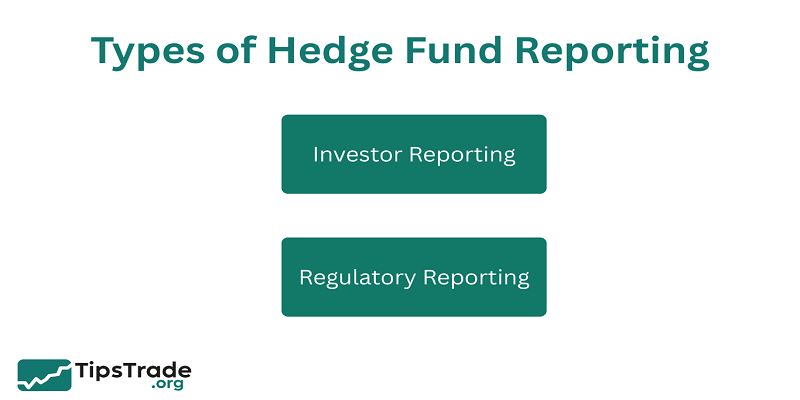
Hedge fund reporting can be broadly divided into investor reporting and regulatory reporting. While these categories overlap, their objectives and formats differ significantly.
Investor reporting is designed to inform capital providers, while regulatory reporting supports market oversight and financial stability. Understanding the distinction helps investors interpret the information they receive and recognize what may not be disclosed publicly.
Industry practitioners often note that reporting quality varies widely between funds. According to surveys conducted by Preqin, institutional investors increasingly demand standardized, detailed reports, even when regulations do not explicitly require them.
Investor Reporting
Investor reporting refers to the information hedge funds provide to existing or prospective investors. These reports are typically distributed monthly or quarterly and focus on performance, risk, and portfolio characteristics.
Common elements of investor reports include:
- Net asset value (NAV)
- Monthly or quarterly returns
- Asset allocation summaries
- Risk metrics such as volatility or drawdowns
- Commentary on market conditions and strategy performance
From an experiential standpoint, professional investors often evaluate consistency and clarity rather than raw returns alone. A well-structured investor report allows stakeholders to assess whether performance aligns with stated objectives and risk tolerance.
Regulatory Reporting
Regulatory reporting is mandatory disclosure submitted to financial authorities. In the United States, hedge funds registered as investment advisers must file specific forms with the SEC.
The primary goal of regulatory reporting is not investor marketing but risk surveillance. Regulators analyze aggregated data to monitor leverage, liquidity mismatches, and interconnected exposures across the financial system. According to SEC publications, this data helps identify vulnerabilities that could contribute to financial instability.
Regulatory reports are generally confidential and not accessible to the public, which distinguishes them from investor-facing disclosures.
Key Hedge Fund Reporting Requirements
Reporting requirements vary by jurisdiction, fund size, and regulatory status. Larger hedge funds with significant assets under management typically face more extensive reporting obligations.
In most developed markets, reporting frameworks aim to balance transparency with operational feasibility. Regulators recognize that excessive disclosure could discourage market participation or expose proprietary strategies.
SEC Reporting Requirements in the United States

In the U.S., hedge fund reporting is primarily governed by the Securities and Exchange Commission. Registered investment advisers must submit several forms, each serving a different purpose.
Key filings include:
- Form ADV – Provides information about the adviser’s business, fees, and conflicts of interest
- Form PF – Collects systemic risk data from large private fund advisers
- Form 13F – Discloses certain equity holdings for managers exceeding specific thresholds
According to the SEC, Form PF data is used to monitor systemic risk rather than evaluate individual fund performance. This distinction is important for investors who may mistakenly assume regulatory filings reflect investment quality.
Hedge Fund Reporting Outside the United States
Outside the U.S., hedge fund reporting requirements differ significantly. In Europe, the Alternative Investment Fund Managers Directive (AIFMD) imposes extensive reporting obligations on hedge fund managers.
AIFMD reporting typically includes:
- Portfolio concentration data
- Liquidity profiles
- Stress test results
- Leverage calculations
Other jurisdictions, such as the United Kingdom and Singapore, have adopted similar frameworks. International investors should be aware that reporting standards may vary depending on where a fund is domiciled and regulated.
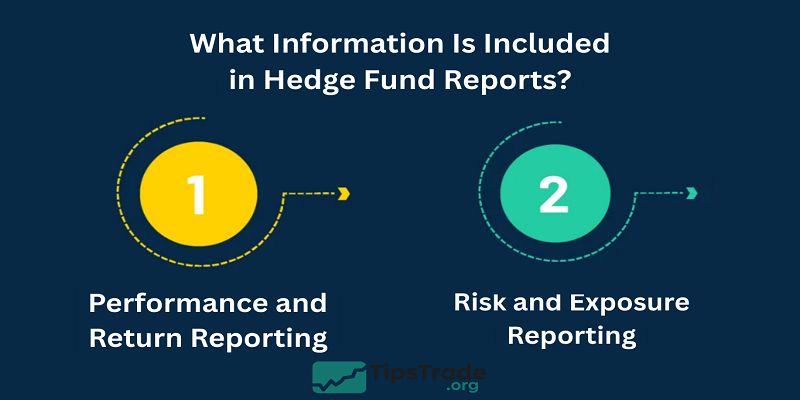
What Information Is Included in Hedge Fund Reports?
Hedge fund reports do not follow a single standardized template, but most include several core categories of information. These disclosures help stakeholders understand how the fund operates and manages risk.
Typical reporting components include:
- Performance metrics
- Fee structures
- Risk exposures
- Liquidity terms
- Operational updates
From an investor’s perspective, the most valuable reports are those that explain why results occurred, not just what happened. Commentary and contextual analysis often distinguish high-quality reporting from minimal compliance disclosures.
Performance and Return Reporting
Performance reporting usually includes monthly or quarterly returns, year-to-date figures, and cumulative performance since inception. Some funds also present benchmark comparisons, although benchmarks for hedge funds are often imperfect.
According to academic research published in The Journal of Finance, hedge fund performance dispersion is wide, making consistent reporting essential for proper evaluation. Investors often analyze rolling returns and drawdowns rather than focusing solely on annual performance.
Transparency around valuation methods is also critical, particularly for funds investing in illiquid or complex instruments.
Risk and Exposure Reporting
Risk reporting provides insight into how a hedge fund manages uncertainty and downside risk. Common metrics include:
- Volatility
- Maximum drawdown
- Value at Risk (VaR)
- Exposure by asset class or region
Institutional investors frequently use these metrics to assess whether a fund’s risk profile aligns with portfolio objectives. According to guidance from the CFA Institute, risk disclosures are most useful when paired with explanations of how risks are mitigated.
Reporting Frequency and Timing
The frequency of hedge fund reporting depends on the audience and regulatory requirements. Investor reports are often issued monthly or quarterly, while regulatory filings may occur quarterly or annually.
Monthly reporting is common among hedge funds seeking institutional capital, as it allows investors to monitor performance and risk more closely. Quarterly reports often include more detailed analysis and commentary.
Timeliness is also important. Delayed reporting may raise concerns about operational efficiency or valuation challenges, particularly during periods of market stress.
Transparency vs. Confidentiality in Hedge Fund Reporting
One of the defining characteristics of hedge funds is their limited public transparency. Managers often argue that excessive disclosure could reveal proprietary strategies and reduce competitive advantage.
This creates a tension between:
- Investor demand for transparency
- Manager need for confidentiality
According to industry surveys by EY, many hedge funds adopt a tiered disclosure approach, providing more detailed information to large institutional investors while limiting public disclosures. This approach reflects practical considerations rather than regulatory avoidance.
Why Hedge Fund Reporting Matters to Investors
Hedge fund reporting plays a crucial role in investor due diligence and ongoing monitoring. Reports help investors assess whether a fund is delivering on its stated strategy and managing risk appropriately.
Key benefits for investors include:
- Improved risk oversight
- Early detection of strategy drift
- Better understanding of fee impact
- Enhanced accountability
Experienced allocators often view reporting quality as a proxy for operational maturity. Poor reporting may signal deeper governance or risk management issues.
Common Challenges in Hedge Fund Reporting
Despite its importance, hedge fund reporting faces several challenges. Data complexity, valuation issues, and evolving regulations can complicate the reporting process.
Common challenges include:
- Valuing illiquid assets
- Integrating data from multiple systems
- Meeting inconsistent global regulations
- Balancing transparency with confidentiality
According to operational risk studies by Deloitte, reporting failures often stem from inadequate infrastructure rather than intentional misconduct. As a result, many hedge funds invest heavily in technology and third-party administrators.
The Role of Technology in Hedge Fund Reporting
Technology has transformed hedge fund reporting over the past decade. Automated systems now support data aggregation, risk analytics, and report generation.
Key technological developments include:
- Cloud-based reporting platforms
- Real-time risk dashboards
- Automated regulatory filings
- Enhanced data validation tools
Industry research from PwC indicates that funds adopting modern reporting technology experience fewer compliance errors and improved investor satisfaction.
Hedge Fund Reporting vs. Mutual Fund Reporting
Hedge fund reporting differs significantly from mutual fund reporting. Mutual funds are subject to stricter disclosure rules, including daily NAV publication and detailed public filings.
| Feature | Hedge Funds | Mutual Funds |
| Public disclosure | Limited | Extensive |
| Investor access | Accredited/institutional | Retail |
| Reporting flexibility | High | Low |
| Regulatory burden | Moderate | High |
This comparison highlights why hedge funds appeal to sophisticated investors willing to accept lower transparency in exchange for strategy flexibility.
Conclusion
Hedge funds reporting is a critical component of modern financial markets, balancing transparency, regulatory oversight, and strategic confidentiality. Through investor and regulatory reporting, hedge funds provide insight into performance, risk, and operations while preserving flexibility.
For investors, understanding hedge fund reporting enhances due diligence and supports informed decision-making. While reporting standards vary across jurisdictions and strategies, clear and consistent disclosure remains a key indicator of fund quality and governance.