
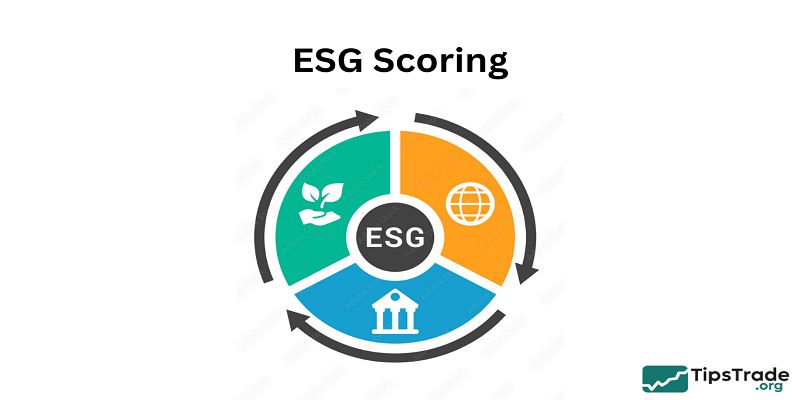
ESG scoring has become central to sustainable investing strategies, ESG risk assessment models, corporate sustainability ratings, responsible asset allocation, environmental risk measurement, governance transparency evaluation, social impact metrics, materiality frameworks, regulatory disclosure standards, and long-term portfolio construction decisions. As institutional and retail investors increasingly rely on ESG scores to guide capital allocation, understanding how ESG ratings work—and why they differ—has become essential. Explore the detailed article at Tipstrade.org to be more confident when making important trading decisions.v
What Does an ESG Score Measure?
Environmental Factors
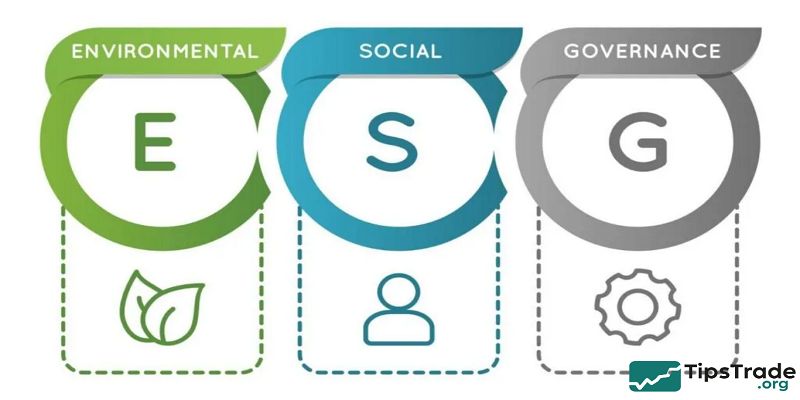
Environmental metrics focus on how a company manages ecological risks and resource efficiency. Common environmental indicators include:
- Carbon emissions and carbon intensity
- Renewable energy usage
- Waste management systems
- Water consumption
- Biodiversity impact
For example, climate-related disclosures increasingly align with recommendations from the Task Force on Climate-related Financial Disclosures (TCFD), influencing ESG risk scoring.
Energy-intensive industries such as utilities, oil & gas, and manufacturing typically receive greater environmental scrutiny. Companies demonstrating measurable emissions reduction strategies may receive higher ESG environmental scores.
Environmental factors often carry significant weight in sectors exposed to climate transition risk.
Social Factors
Social criteria assess how companies manage relationships with employees, customers, suppliers, and communities.
Key social indicators include:
- Labor practices and workplace safety
- Diversity, equity, and inclusion metrics
- Data privacy and cybersecurity standards
- Community engagement
- Human rights compliance
For example, supply chain labor controversies can materially impact ESG scoring. Social risk management has gained increased investor attention due to regulatory and reputational pressures.
Companies with transparent diversity reporting and employee welfare initiatives may score higher on social metrics.
However, measurement challenges remain due to limited standardized global reporting.
Governance Factors
Governance evaluates corporate leadership, executive compensation, shareholder rights, and transparency.
Common governance metrics include:
- Board independence
- CEO compensation alignment
- Anti-corruption policies
- Audit committee oversight
- Shareholder voting structure
Governance often acts as a stabilizing factor within ESG scoring models. Research from S&P Global indicates that governance quality can correlate with risk mitigation and long-term resilience.
Weak governance practices frequently precede corporate scandals, making governance scoring particularly relevant for institutional risk management.
How ESG Scoring Methodology Works
Data Collection and Corporate Disclosure
ESG rating agencies collect data from:
- Company sustainability reports
- Regulatory filings
- Third-party databases
- Media controversy tracking
- NGO publications
Disclosure quality significantly affects ESG scoring outcomes. Firms with more transparent reporting often receive more precise evaluations.
However, voluntary disclosure systems create inconsistencies. The U.S. Securities and Exchange Commission has proposed enhanced climate disclosure requirements to standardize reporting.
Data gaps remain one of the largest challenges in ESG scoring reliability.
Materiality Framework
Materiality determines which ESG factors are financially relevant for specific industries.
For example:
- Carbon intensity is highly material for energy companies.
- Data privacy is highly material for technology firms.
- Labor safety is material for manufacturing companies.
Rating agencies such as MSCI apply industry-specific weighting systems to account for material differences.
This explains why two companies with similar emissions may receive different ESG scores if they operate in different sectors.
Materiality frameworks attempt to align ESG scoring with financial risk relevance rather than purely ethical evaluation.
Weighting and Scoring Models
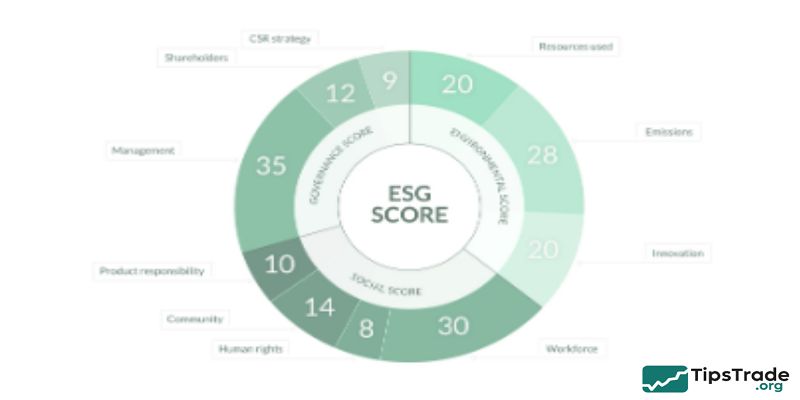
Each ESG provider uses proprietary weighting models. These models assign numerical weights to environmental, social, and governance components.
For example:
- Environmental: 30–50%
- Social: 20–40%
- Governance: 20–40%
Scores are typically normalized against industry peers. This relative scoring approach explains why a company may receive a high ESG score despite moderate absolute emissions if it outperforms competitors.
Methodological opacity remains a key criticism of ESG scoring systems.
Major ESG Rating Agencies
MSCI ESG Ratings
- MSCI assigns ratings from AAA to CCC based on industry-relative risk management. Its model emphasizes materiality and peer comparison.
- Institutional investors widely use MSCI ratings for ETF construction and portfolio screening.
Sustainalytics ESG Risk Ratings
- Sustainalytics measures unmanaged ESG risk exposure rather than performance ranking. Lower risk scores indicate better sustainability management.
- This risk-centric model differs from relative ranking systems.
S&P Global ESG Scores
- S&P Global integrates corporate sustainability assessments with financial analytics. Its methodology includes direct corporate questionnaires and public disclosures.
Bloomberg ESG Data
- Bloomberg provides ESG data analytics integrated within its financial terminals. Bloomberg focuses heavily on disclosure transparency.
Why ESG Scores Differ Between Providers
ESG score divergence occurs due to:
- Different materiality assumptions
- Weighting variation
- Data source differences
- Controversy treatment
- Disclosure interpretation
Academic research has documented relatively low correlation between ESG rating providers compared to credit rating agencies.
Investors should avoid assuming ESG scores are standardized or interchangeable.
How Investors Use ESG Scoring

Investors apply ESG scores in multiple ways:
- Portfolio screening
- Risk management
- Thematic fund construction
- Stewardship and engagement
- Impact reporting
For example, ESG ETFs often use MSCI or S&P indices as benchmarks.
Institutional investors may combine multiple ESG data providers to reduce reliance on one methodology.
Limitations and Criticism of ESG Scoring
Common criticisms include:
- Lack of standardization
- Greenwashing risk
- Subjectivity in weighting
- Overreliance on disclosure
- Limited forward-looking data
Regulators such as the U.S. Securities and Exchange Commission continue evaluating ESG disclosure frameworks to improve consistency.
Transparency improvements remain ongoing.
Regulatory Developments in ESG Disclosure

Global regulators increasingly mandate standardized sustainability reporting.
Examples include:
- SEC climate disclosure proposals
- EU taxonomy regulations
- ISSB reporting standards
These efforts aim to reduce data inconsistency and enhance ESG scoring reliability.
The Future of ESG Scoring
Emerging trends include:
- AI-driven ESG analytics
- Alternative data integration
- Real-time controversy tracking
- Double materiality frameworks
- Standardized global reporting
Standardization may improve comparability but will require global coordination.
Conclusion
ESG scoring has become a critical component of modern investment analysis, shaping sustainable portfolio construction, risk assessment, and corporate accountability. While ESG ratings provide structured insights into environmental, social, and governance risk management, they are not standardized or universally consistent. Differences in methodology, weighting, and disclosure practices lead to significant rating divergence across providers such as MSCI, Sustainalytics, and S&P Global. Investors should therefore treat ESG scoring as one analytical input among many—not a definitive measure of corporate virtue or financial performance.