
ESG funds are investment vehicles that integrate Environmental, Social, and Governance (ESG) factors into their investment strategies. These funds allow investors to pursue financial returns while supporting companies with positive social and environmental impacts. By incorporating ESG criteria, fund managers aim to select companies with strong governance, ethical business practices, and sustainable growth potential. This guide explores ESG fund types, processes, benefits, risks, and practical strategies for investors seeking both financial and sustainable outcomes. Explore the detailed article at Tipstrade.org to be more confident when making important trading decisions.
What Are ESG Funds?
Definition and Purpose of ESG Funds
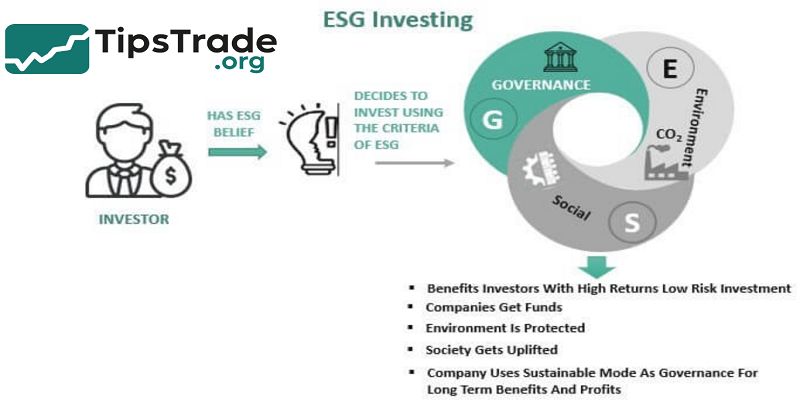
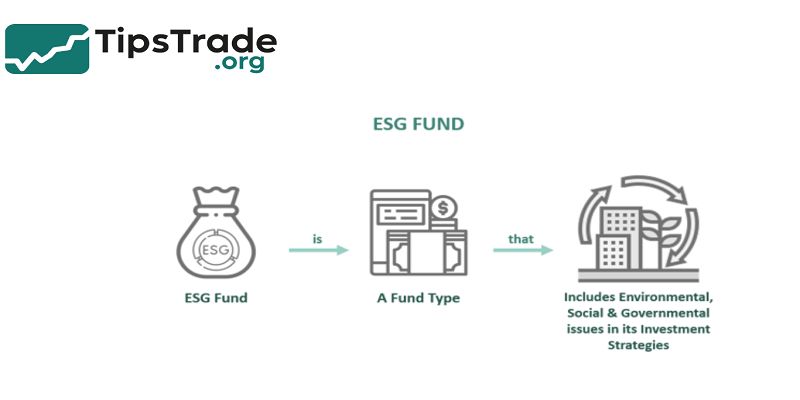
- ESG funds are collective investment vehicles that allocate capital to companies and projects based on environmental, social, and governance criteria.
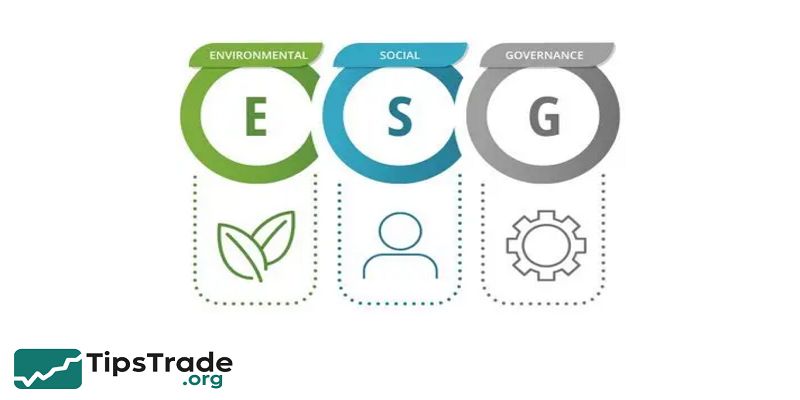
- Environmental factors may include carbon footprint, energy efficiency, or resource management.
- Social factors consider labor practices, community impact, and diversity initiatives, while governance evaluates board composition, executive pay, and transparency.
- The purpose is dual: achieving competitive financial returns while promoting sustainable business practices.
- For example, the iShares MSCI KLD 400 Social ETF invests in companies with high ESG ratings in the U.S., balancing risk and social responsibility.
- ESG funds often use screening methods—positive, negative, or norm-based—to select investments aligned with ethical and sustainability objectives.
- Regulatory frameworks like the EU Sustainable Finance Disclosure Regulation (SFDR) ensure that ESG funds provide clear reporting and transparency, helping investors make informed choices.
Benefits of Investing in ESG Funds
Investing in ESG funds offers multiple advantages beyond financial returns:
- Sustainable Impact: Supports companies tackling climate change, social inequalities, and ethical governance issues.
- Risk Mitigation: Companies with strong ESG practices may experience lower regulatory, reputational, and operational risks.
- Long-term Performance: Studies by MSCI show that ESG-compliant companies often outperform peers over time due to stronger governance and resilience.
- Diversification: ESG funds span sectors and geographies, providing balanced exposure.
A real-world example is the Parnassus Core Equity Fund, which targets high-ESG-rated U.S. companies. Over the past decade, it delivered competitive returns while emphasizing corporate responsibility. Investors increasingly view ESG funds as a way to align values with financial goals, reduce exposure to companies with environmental or social controversies, and benefit from evolving regulatory support for sustainable investing.
Types of ESG Funds
Equity ESG Funds
- Equity ESG funds primarily invest in stocks of companies that meet ESG criteria.
- They can be actively managed, where fund managers select companies with the best ESG and financial profiles, or passively managed, tracking ESG-focused indices. Examples include the Vanguard ESG U.S.
- Stock Fund, which screens out companies involved in fossil fuels or controversial industries.
- Equity ESG funds are suitable for investors seeking capital appreciation with socially responsible practices.
- MSCI ESG ratings guide selection, ensuring that companies demonstrate strong sustainability performance relative to peers.
- Equity ESG funds often outperform conventional equity funds in the long run, especially during periods of market volatility, as ESG-oriented companies tend to have stronger risk management and governance practices.
Bond ESG Funds
- Bond ESG funds invest in fixed-income instruments like green bonds, social bonds, and sustainable debt. These funds finance projects such as renewable energy, affordable housing, or infrastructure development with measurable environmental or social benefits.
- For example, the iShares Global Green Bond ETF focuses on bonds funding eco-friendly projects globally. ESG bond funds appeal to risk-averse investors seeking stable income while promoting sustainability.
- Research indicates that green bonds have default rates comparable to conventional bonds, suggesting that investors do not sacrifice safety while contributing to environmental goals.
- ESG bond funds also benefit from growing global regulatory support, including tax incentives and preferential treatment for green debt issuance.
Multi-Asset ESG Funds
- Multi-asset ESG funds combine equities, bonds, and alternative assets to create diversified portfolios aligned with sustainability objectives.
- These funds are designed to optimize risk-adjusted returns while maintaining ESG compliance.
- For instance, a multi-asset ESG fund may allocate 50% to ESG stocks, 40% to green bonds, and 10% to renewable energy infrastructure.
- Diversification reduces volatility and increases resilience to market shocks, providing a more balanced approach than single-asset ESG funds.
- Multi-asset funds are ideal for investors seeking moderate risk and a holistic approach to responsible investing.
Thematic ESG Funds
- Thematic ESG funds focus on specific sustainability themes, such as climate change, renewable energy, gender equality, or social inclusion.
- For example, The Pictet Global Environmental Opportunities Fund invests in companies driving the energy transition.
- These funds allow investors to align investments with personal values or priorities, targeting sectors that address global challenges.
- Thematic ESG funds often have higher concentration risk but provide meaningful impact and engagement opportunities for socially conscious investors.
How ESG Funds Work
ESG Integration in the Investment Process
ESG funds integrate sustainability criteria at multiple stages of the investment process:
- Screening: Companies are included or excluded based on ESG ratings, controversies, or compliance with ethical standards.
- Engagement: Investors engage with company management to influence ESG practices, such as improving carbon reduction strategies.
- Monitoring: ESG scoring systems from providers like MSCI or Sustainalytics track performance over time.
- Reporting: Funds disclose ESG metrics, impact indicators, and financial performance to ensure transparency.
This process allows investors to measure both financial and non-financial outcomes while promoting responsible corporate behavior.
Fund Lifecycle and Management
- The lifecycle of an ESG fund follows traditional fund structures: formation, capital raising, portfolio construction, investment execution, management, and reporting. What distinguishes ESG funds is the integration of sustainability metrics at every stage.
- Fund managers continuously monitor environmental, social, and governance performance alongside financial indicators.
- For example, Parnassus Core Equity Fund regularly reviews portfolio companies to ensure alignment with ESG principles, removing firms that fail to meet criteria.
- This dynamic management supports both ethical objectives and long-term investment performance.
Regulatory and Reporting Standards
ESG funds are subject to increasingly stringent regulations to prevent greenwashing and ensure transparency:
- EU SFDR (Sustainable Finance Disclosure Regulation): Mandates clear disclosure of ESG strategies and sustainability impact.
- US SEC ESG Guidance: Requires disclosure of climate risks and ESG factors in investment decision-making.
- Global Frameworks: TCFD (Task Force on Climate-related Financial Disclosures) and GRI (Global Reporting Initiative) provide reporting standards.
Adhering to these regulations ensures that ESG funds deliver credible, verifiable sustainability outcomes.
Performance and Risks of ESG Funds
Historical Returns and Comparisons
- Several studies show that ESG funds can deliver competitive financial performance. According to Morningstar, the average ESG equity fund outperformed 50% of conventional equity funds over a 10-year period.
- Strong ESG practices are associated with lower operational and regulatory risks, which may enhance long-term returns.
- For example, during market downturns, companies with robust ESG policies often show higher resilience and less volatility than peers with weaker governance or social responsibility practices.
Risks in ESG Investing
Investors should consider specific risks:
- Greenwashing: Funds may exaggerate ESG claims or invest in companies with poor ESG practices.
- Concentration Risk: ESG funds may overweight certain sectors like technology or renewable energy.
- Market and Liquidity Risk: Like traditional funds, ESG investments remain exposed to market fluctuations and liquidity constraints.
Proper due diligence, fund selection, and monitoring mitigate these risks.
How to Choose the Right ESG Fund
Assessing Your Values and Goals
Investors should align ESG fund selection with personal priorities:
- Environmental focus (climate change, clean energy)
- Social impact (diversity, human rights)
- Governance standards (ethical management, transparency)
Understanding risk tolerance and investment horizon ensures alignment with financial goals.
Comparing Fees, Performance, and Ratings
Evaluate ESG funds based on:
- Expense ratios and management fees
- Historical returns and volatility
- ESG ratings from MSCI, Sustainalytics, or Morningstar Sustainability Ratings
Transparent reporting and strong ESG scores help identify credible funds.
Diversification and Allocation Strategies
Combine ESG funds with conventional investments to achieve:
- Balanced exposure across asset classes
- Geographic and sector diversification
- Risk-adjusted returns without sacrificing sustainability goals
Common Challenges in ESG Investing

Data Transparency and Reliability
- ESG data quality varies across providers. Lack of standardized metrics can make comparisons difficult, affecting investment decisions.
Greenwashing and Mislabeling
- Some funds exaggerate sustainability claims, misleading investors about real impact.
- Reviewing methodologies and independent ESG ratings helps prevent this.
Limited Availability in Certain Markets
- Not all countries offer a wide range of ESG investment options, especially emerging markets.
- Investors may need to consider global funds to achieve adequate diversification.
Best Practices for ESG Fund Investors
- Conduct independent due diligence
- Understand each fund’s ESG methodology
- Monitor ESG impact and financial performance
- Diversify across sectors, geographies, and asset classes
- Align investments with personal values and financial goals
Following these practices enhances both ethical impact and long-term financial outcomes.
Comparison Table of ESG Fund Types
| Fund Type | Focus | ESG Approach | Typical Investors | Risk Level |
| Equity ESG | Stocks | Active/Passive ESG screening | Retail & institutions | Medium–High |
| Bond ESG | Fixed income | Green bonds, sustainable debt | Conservative investors | Low–Medium |
| Multi-Asset ESG | Stocks + bonds + alternatives | Diversified ESG portfolio | Moderate risk investors | Medium |
| Thematic ESG | Specific themes | Climate, gender equality, social impact | Values-driven investors | High |
Conclusion
ESG funds allow investors to combine financial returns with sustainable impact. Selecting the right fund requires evaluating ESG methodology, risk tolerance, fees, and alignment with personal values. Integrating ESG considerations may reduce long-term risks, support responsible businesses, and achieve competitive returns. Following best practices ensures both financial and ethical objectives are met.