
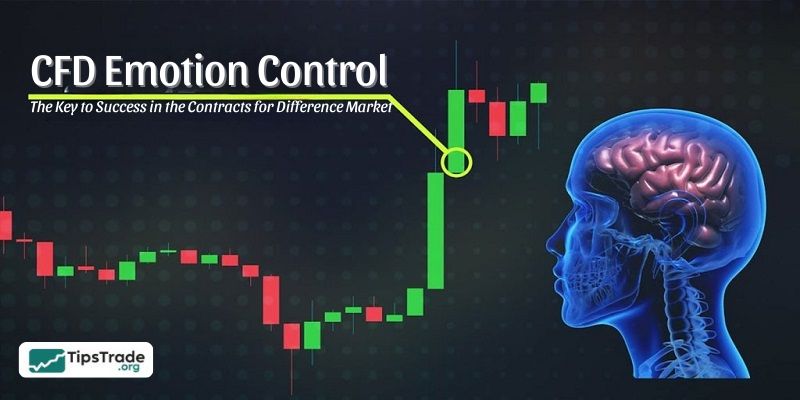
CFD emotion control plays a crucial role in a trader’s success. Many traders, despite having solid knowledge and effective strategies, still fail because they cannot control their emotions and mindset during trading. In this article, we will explore the importance of CFD emotion control and ways to improve it.
What is CFD emotion control?
CFD emotion control refers to the ability to recognize, manage, and regulate emotions such as fear, greed, anxiety, or excitement while trading CFDs. Because CFD markets often involve high volatility and leverage, traders can easily experience stress and make irrational decisions.
Unlike beginners, professional traders understand that success depends not only on strategy but also on psychological stability. They follow structured trading processes, maintain discipline, and avoid letting emotions dictate their decisions.

See more:
- What is CFD? Contracts for Difference Explained for Beginners
- Types of CFD Risk and How to Manage Them Effectively
- CFD Capital Management: Effective Principles and Strategies
- CFD Demo Account: An Essential Tool for Beginner Traders
Why is CFD emotion control important?
CFD emotion control is a crucial factor that determines success or failure in Contracts for Difference trading. Without proper control, traders can easily be driven by emotions and make poor decisions. Below are key points to help you improve your investment performance:
- Control your emotions: Fear, greed, and hope are the main emotions traders commonly experience. These feelings can lead to incorrect trading decisions.
- Maintain trading discipline: A stable mindset helps traders follow their trading plans without deviating from their strategy.
- Minimize risk. When you control your emotions well in CFD trading, you can make smarter trading decisions and avoid significant losses.
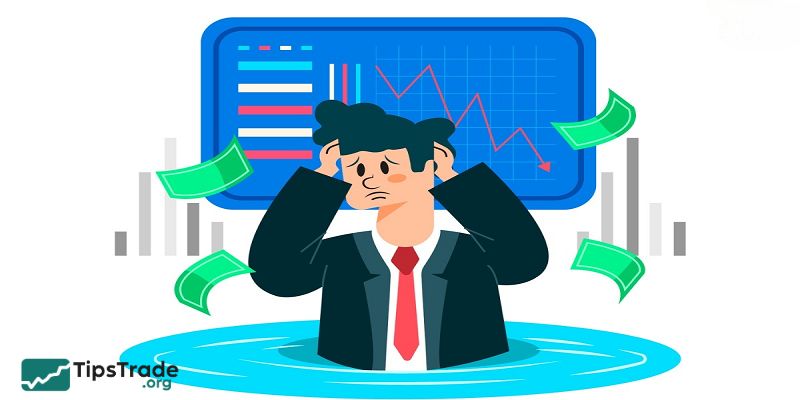
Common emotions in CFD trading that traders often experience
After a trader identifies a suitable strategy and trading style, the next challenge is emotional control. Psychological factors can strongly influence trading decisions, and each trader may react differently to these triggers. Although these reactions are subjective, trading psychology experts have identified several common factors that tend to affect most traders. Below are common emotions in CFD trading that traders often experience:
Fear
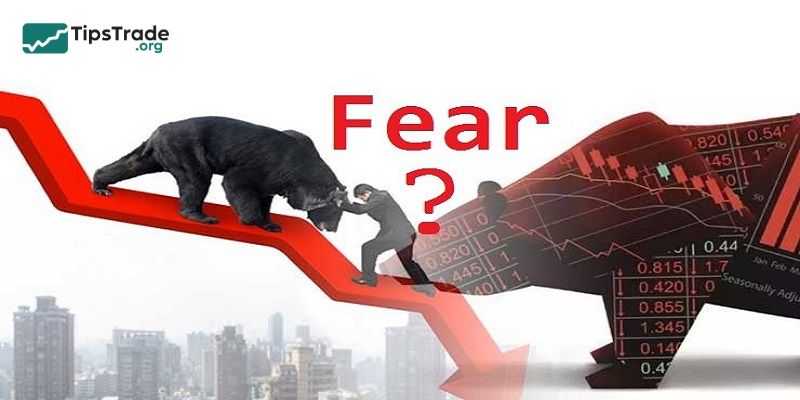
Fear often arises after a trader experiences a series of losses or sees the market move against expectations, leading to anxiety, panic, and closing positions too early. In some cases, fear can also cause traders to enter trades hastily without proper analysis, resulting in poor decisions.
Greed
When traders experience consecutive profits, they may become obsessed with opening trades repeatedly or overtrading without a clear plan. Holding positions for too long in an attempt to maximize profits can also prevent timely profit-taking, increasing the risk of losing all gains when the market reverses.

FOMO – Fear of Missing Out
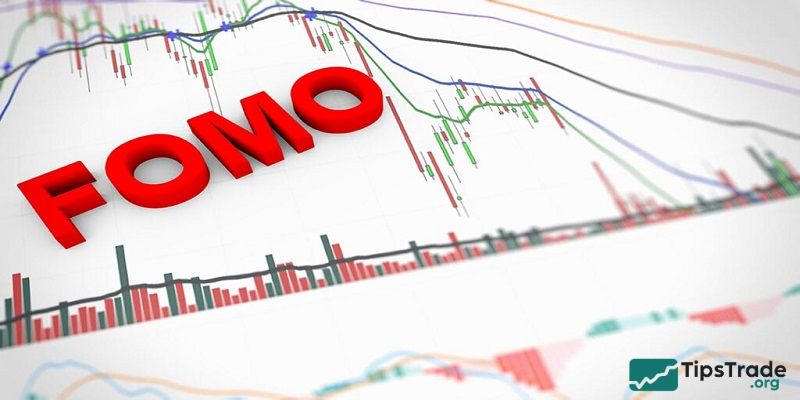
FOMO pushes traders to enter positions after prices have already moved significantly, mainly because they see others making profits. This behavior often results in buying at market tops or selling at bottoms due to a lack of planning.
Anger and Revenge Trading
After losses, some traders attempt to “revenge trade” by opening multiple positions to recover quickly. This frequently leads to overtrading and rapid account depletion.
Reasons traders struggle with emotional control in CFD trading
The difficulty traders have in controlling their emotions when trading CFDs often stems from the following reasons:
- Lack of a clear trading plan: Many traders enter the market without defined entry rules, take-profit targets, or stop-loss levels. Without a structured plan, they are more likely to make emotionally driven decisions.
- Poor risk management: Using excessive leverage or risking too much capital per trade increases psychological pressure. When too much money is at stake, fear and greed can easily take over.
- Unrealistic expectations: Some traders join the CFD market expecting to get rich quickly. When results do not meet expectations, frustration and emotional decision-making often follow.
- Lack of experience and trading psychology knowledge: Beginner traders may not understand that losses are a natural part of trading. Without awareness of winning and losing cycles, they can panic during losing streaks.

Effective CFD emotion control strategies
Are you struggling with psychological issues when trading CFDs? This is a crucial factor that can determine your success or failure in trading. Without proper emotional control, traders can easily be driven by feelings and make poor decisions. Below are effective CFD emotion control strategies
- Set realistic goals and avoid expecting to get rich quickly.
- Manage risk effectively and always define your maximum acceptable loss.
- Create a clear trading plan and stick to a consistent strategy.
- Practice with a demo account to build confidence before trading live.
- Learn to accept mistakes – no one can win 100% of the time.

CFD emotion control plays a core role in the journey to becoming a professional trader. Therefore, traders should develop emotional control skills and adjust their behavior to make sound trading decisions. Hopefully, this article will be helpful to you.
See more: