
Choosing the right Best CFD brokers can truly make or break your trading experience. Think of it like choosing a travel companion; you need a reliable broker who won’t surprise you with hidden fees or let you down when you need them most. So, let’s explore The 10 Best CFD Brokers for maximum profit in this article below!
Understanding CFD brokers: What are they?
A CFD broker provides traders with a wide range of CFD products, allowing them to enter contracts based on the price difference of an asset (such as stocks or currencies) without actually owning the underlying asset. There are two main types of brokers:
- Market Makers: These brokers act as the counterparty to your trades and typically offer tighter pricing (lower spreads). However, potential conflicts of interest may arise because they take the opposite side of your positions.
- Direct Market Access (DMA): DMA brokers allow traders to access the market directly. While this approach offers higher transparency, the spreads are often wider compared to brokers that operate with a dealing desk.
CFD brokers also serve as trade execution agents, providing trading platforms and tools, performing hedging operations, monitoring regulatory compliance, and managing client funds.

See more:
- What is CFD? Contracts for Difference Explained for Beginners
- CFD Forex: Why Do Investors Choose CFDs Instead of Direct Trading?
- Top 6 Best CFD Indicator Tools Every Trader Should Know
- Compare CFDs and Stocks: Differences, Similarities, and Which to Choose?
Key factors to consider when choosing the best CFD brokers
When selecting the best CFD brokers, you should consider several key factors to ensure that you have a secure and effective trading experience in these best CFD trading platforms. Below is an overview of the main criteria used for evaluation:
Regulation and Trustworthiness
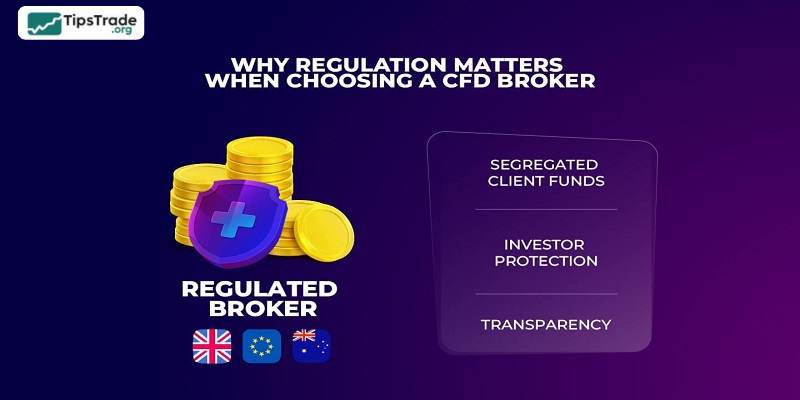
Regulatory oversight is the foundation of broker legitimacy and client protection. Top-tier regulated CFD brokers operate under strict supervision from reputable financial authorities such as the Financial Conduct Authority (FCA), Australian Securities and Investments Commission (ASIC), or Cyprus Securities and Exchange Commission (CySEC).
These regulatory bodies enforce stringent capital requirements, segregation of client funds, and transparent reporting standards. When evaluating brokers, verify their regulatory status and ensure they maintain adequate insurance coverage to protect your investments.
Trading Costs and Fees
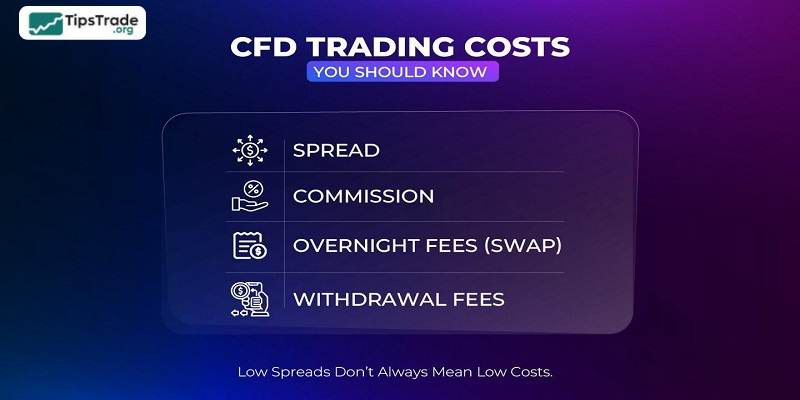
Cost efficiency directly impacts your trading profitability. The best CFD brokers offer transparent pricing structures with competitive spreads, minimal commissions, and reasonable overnight financing rates. Consider both the immediate costs (spreads and commissions) and ongoing expenses (swap rates, inactivity fees).
Some brokers may advertise zero commissions but compensate with wider spreads. Others offer raw spreads with separate commission structures. Calculate the total cost of ownership based on your typical trading frequency and position sizes.
Available Instruments
Diversification opportunities depend on the range of CFD instruments offered by your broker. Leading platforms provide access to thousands of markets including major and minor forex pairs, stock indices, individual equities, commodities, cryptocurrencies, and bonds.
The availability of specific markets may vary based on your geographical location and regulatory restrictions. Ensure your chosen broker offers the instruments that align with your trading strategy and market preferences.
Trading Platforms
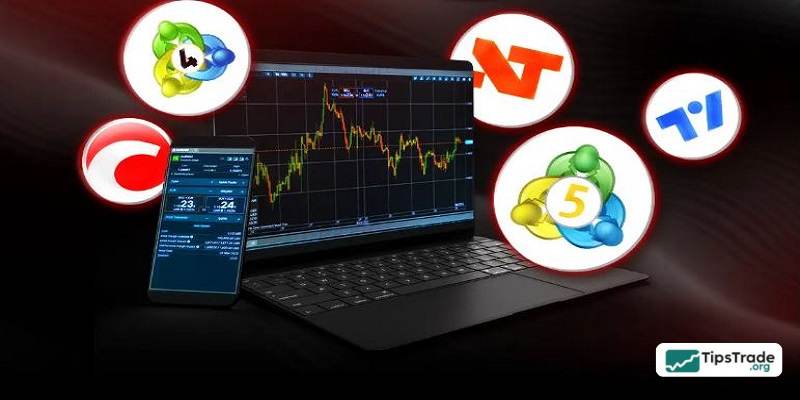
The trading platform serves as your primary interface with the financial markets. Advanced traders often prefer MetaTrader 4 or MetaTrader 5 for their comprehensive charting tools, automated trading capabilities, and extensive customization options.
Modern brokers also offer proprietary platforms optimized for specific trading styles or mobile accessibility. Evaluate the platform’s stability, execution speed, analytical tools, and overall user experience before committing to a broker.
Customer Support
Reliable customer support becomes crucial when technical issues arise or market volatility demands immediate assistance. The best CFD brokers provide multilingual support through various channels including live chat, phone, and email.
Consider the support hours, response times, and the technical expertise of the support team. Some brokers offer dedicated account managers for high-volume traders, providing personalized assistance and market insights.
Deposit and Withdrawal Process
Efficient fund management capabilities ensure smooth trading operations. Evaluate the available deposit methods, processing times, minimum and maximum limits, and associated fees. The best brokers support multiple payment options including bank transfers, credit cards, and electronic wallets.
Withdrawal processes should be straightforward and transparent, with reasonable processing times and minimal fees. Some brokers may impose restrictions on withdrawal methods or require additional verification for larger amounts.
The 10 best CFD brokers
Let’s explore the Top 10 best CFD brokers that are leading the market in 2026!
AvaTrade
AvaTrade is a globally recognized online broker established in 2006, known for its comprehensive platform that supports trading across various financial markets, including Forex, commodities, indices, stocks, bonds, ETFs, and cryptocurrencies. AvaTrade is a popular choice due to its commitment to providing a user-friendly experience, a wide range of trading tools, and multiple platform options like MetaTrader 4, MetaTrader 5, and its proprietary AvaTradeGO app. The broker is regulated by several top-tier financial authorities worldwide, ensuring a secure trading environment. AvaTrade’s support for multiple account types, including Islamic accounts, makes it suitable for both beginners and experienced traders.

Pros & Cons of AvaTrade:
XM
XM is an international online trading broker established in 2009. It operates in more than 190 countries and has built a solid reputation in the financial industry. XM is regulated by CySEC, FSC, FSA, DFSA, FSC, and FSCA, which gives traders the option to work with its global entities under strict oversight. The broker is known for its fast trade execution, flexible account types, and access to over 1,000 trading instruments, such as forex, CFDs, indices, commodities, stocks, and cryptocurrencies. With multi-language support and beginner-friendly platforms, XM has become a preferred choice for both new and experienced traders.
Pros & Cons of XM:
Admirals
Admirals, formerly known as Admiral Markets, is a well-regarded online broker with a strong presence in the Forex and CFD trading industry since 2001. It offers traders a variety of trading instruments, including Forex, commodities, indices, stocks, and cryptocurrencies, through popular platforms like MetaTrader 4 (MT4) and MetaTrader 5 (MT5). Admirals is highly regulated by reputable authorities, including the FCA and CySEC, ensuring a secure trading environment. The broker is known for providing a comprehensive range of educational resources, round-the-clock customer support, and flexible account options, making it a good choice for both beginners and experienced traders.
Pros & Cons of Admirals:
Interactive Brokers
Interactive Brokers is a well-established online brokerage firm known for its wide range of investment options, including CFDs. Founded in 1978, it offers access to numerous global markets and provides advanced trading platforms like Trader Workstation (TWS), which is ideal for active and professional traders. Regulated by top-tier authorities like the SEC, FINRA, and CFTC, Interactive Brokers ensures a high level of security and transparency, making it a reliable choice for trading.
Pros & Cons of Interactive Brokers:
Pepperstone
Pepperstone is a well-regarded CFD broker known for its competitive pricing, fast execution speeds, and reliable trading infrastructure. Founded in 2010, Pepperstone offers access to a wide range of markets, including forex, commodities, cryptocurrencies, and indices. Regulated by the FCA and ASIC, it ensures a secure trading environment with a variety of platforms, such as MetaTrader 4 and 5. Pepperstone is ideal for traders seeking low-cost trading with high-quality service.

Pros & Cons of Pepperstone:
Exness
Exness is a global brokerage firm established in 2008, known for its diverse range of trading instruments, including over 120 currency pairs, stocks, cryptocurrencies, and commodities. Regulated by multiple financial authorities, such as CySEC and the FCA, Exness provides a secure and reliable trading environment. The broker offers flexible leverage options up to 1:2000 and features like instant withdrawals, low commissions, and a variety of account types suitable for different trading needs, making it a popular choice among traders worldwide.
Pros & Cons of Exness:
IC Markets
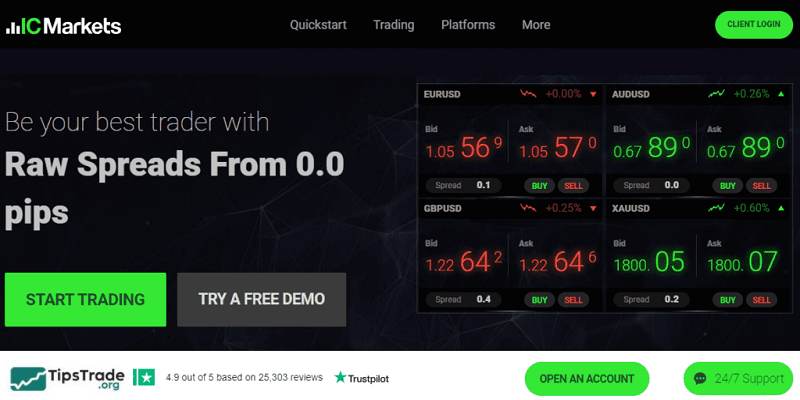
IC Markets is a well-regarded CFD broker known for offering a wide range of trading instruments, including Forex, commodities, indices, cryptocurrencies, bonds, and futures. Established in 2007 and regulated by reputable authorities like ASIC, CySEC, and the FSA, IC Markets provides a secure trading environment. The broker is particularly popular among algorithmic traders due to its fast execution speeds, low latency, and competitive pricing, making it ideal for both retail and institutional traders who seek a reliable and cost-effective platform.
Pros & Cons of IC Markets:
Tickmill
Tickmill is a globally recognized CFD broker known for its low-cost trading environment, making it an attractive choice for both beginner and experienced traders. Established in 2015, Tickmill is regulated by the FCA, CySEC, and FSA, ensuring traders a secure trading environment. It provides MetaTrader 4 and MetaTrader 5, delivering smooth execution, advanced tools, and strong support for diverse trading strategies. Tickmill offers Forex, stocks, indices, commodities, and bonds, giving traders portfolio diversity and access to multiple global financial markets.

Pros & Cons of Tickmill:
XTB
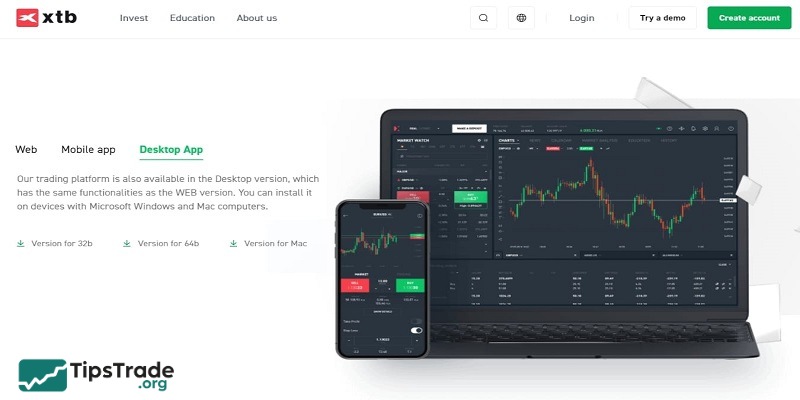
XTB is a leading CFD broker in Europe, known for its diverse range of over 2,100 tradable assets, including stocks, forex, commodities, indices, and cryptocurrencies. Founded in 2002, XTB is regulated by the FCA in the UK and FSC in Mauritius, ensuring strong security for traders. The broker is recognized for its proprietary trading platform, XStation 5, which is user-friendly and offers advanced tools for traders. This combination makes XTB a reliable choice for both beginners and experienced traders seeking simplicity, speed, and powerful trading management features.
Pros & Cons of XTB:
FXPro
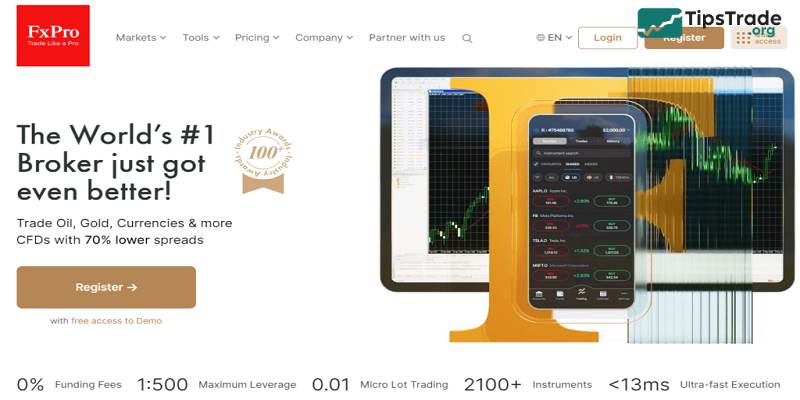
FXPro is a well-known CFD broker established in 2006, offering a wide range of instruments across six asset classes. These include forex pairs, indices, metals, energies, shares, and futures, giving traders multiple options to diversify and strengthen trading strategies. FXPro is regulated by respected authorities like the FCA in the UK and CySEC in Cyprus, ensuring strong security protections. The broker is valued for robust trading infrastructure, offering MetaTrader 4, MetaTrader 5, cTrader, and its own proprietary FXPro platform. This combination makes FXPro an excellent choice for traders seeking fast execution, advanced features, and diverse tools supporting consistent trading performance.
Pros & Cons of FXPro:
Final thoughts
Above is a list of the top 10 best CFD brokers currently available that we have compiled and would like to share with you. Hopefully, the helpful information above will help you find a CFD broker that suits your trading style and goals. Wishing you successful trading!