

Defined benefit pension funds are often described as the backbone of traditional retirement systems, combining guaranteed retirement income, employer-sponsored pensions, long-term investing, actuarial assumptions, pension liabilities, funding ratios, longevity risk, and institutional asset management. Despite their importance, many workers and even employers do not fully understand how defined benefit pension funds work or why they […]
Author Archives: LeMy

07
Jan
Jan
How pension funds work forms the backbone of retirement security for millions worldwide. These funds pool contributions from workers and employers, investing them strategically over decades to generate growth through diversified assets like stocks, bonds, and real estate. By understanding their mechanics—from accumulation phases to payout structures—individuals can better plan for a financially stable future, […]

07
Jan
Jan
Pension funds play a critical role in the global financial system, acting as long-term institutional investors while providing retirement security for millions of people. In today’s aging societies, concepts such as retirement savings, long-term investing, defined benefit plans, defined contribution plans, portfolio diversification, risk management, and sustainable returns are no longer topics reserved for financial […]
06
Jan
Jan
Hedge funds reporting refers to the process through which hedge funds disclose performance data, risk exposure, regulatory filings, and investor information to various stakeholders. Terms such as regulatory reporting, investor disclosure, SEC reporting, Form PF, Form ADV, fund transparency, and risk reporting frequently appear when investors research this topic. Explore the detailed article at Tipstrade.org to be […]
06
Jan
Jan
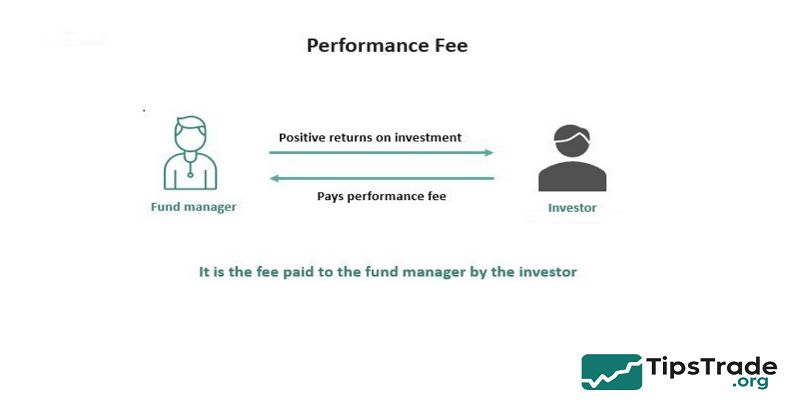
Performance fee is a compensation structure commonly used in hedge funds, private equity, and investment management, designed to reward managers based on investment performance rather than asset size alone. Often discussed alongside terms such as incentive fee, management fee, high-water mark, hurdle rate, fund returns, and investor alignment, performance fees play a critical role in […]

06
Jan
Jan
Event-driven hedge funds are a specialized investment strategy that seeks to profit from corporate actions, mergers and acquisitions, restructurings, and other market-moving events. Unlike traditional equity investing, this approach focuses less on long-term fundamentals and more on how specific events can temporarily misprice securities. Terms such as event-driven investing, merger arbitrage, special situations, distressed securities, […]

05
Jan
Jan
Hedge funds fees are often described as one of the most complex and controversial cost structures in the investment world. From management fees and performance fees to high-water marks and fund expenses, investors frequently struggle to understand how hedge fund fees actually work and how much they reduce net returns. Unlike traditional investment vehicles, hedge […]

05
Jan
Jan
Performance Fee Explained, this model rewards fund managers with a share of profits exceeding benchmarks. Unlike fixed fees, it aligns incentives by charging—typically 20%—only on gains above a high-water mark. Common in hedge funds and private equity, it drives superior returns but demands scrutiny of terms like hurdles and clawbacks to manage risks effectively. Explore […]

05
Jan
Jan
Active vs Multi-Strategy Hedge Funds represent two distinct approaches in the hedge fund industry, each with unique philosophies on risk management, returns generation, and market adaptability. Active hedge funds typically focus on concentrated bets driven by skilled managers who exploit market inefficiencies through deep research and directional trades, often in specific asset classes like equities or […]

02
Jan
Jan
Hedge funds vs mutual funds, many investors want a clear comparison, not marketing promises. These two investment vehicles are often mentioned together, yet they serve very different purposes within a diversified portfolio. Understanding the key differences, risk profiles, fee structures, and regulatory frameworks can help investors make more informed decisions. In the first 100 words, […]