

Best money market funds have become a central topic for investors seeking capital preservation, short-term liquidity, and competitive yields without taking on excessive risk. In a market shaped by interest rate cycles, monetary policy decisions, and cash management strategies, money market funds are often viewed as a safe investment vehicle, a cash equivalent, and a […]
Author Archives: LeMy
21
Jan
Jan
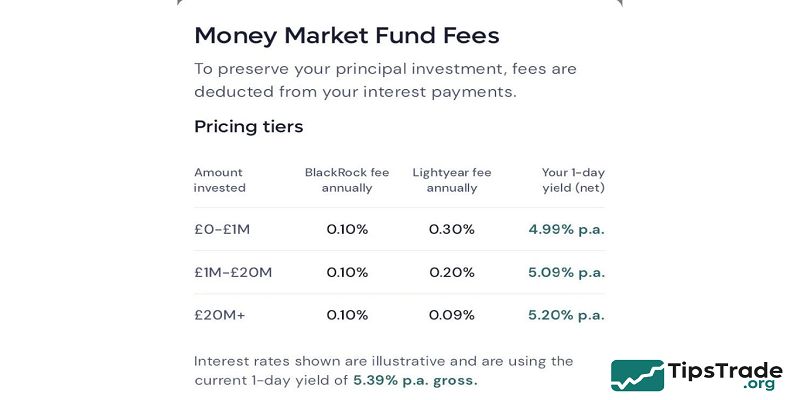
Money market fund fees are a critical but often overlooked factor when investors evaluate cash-equivalent investments, short-term liquidity solutions, and capital preservation strategies. Because money market funds typically generate modest returns, even small costs—such as expense ratios, management fees, or administrative expenses—can significantly affect net yield, income stability, and overall investment efficiency. For many investors […]
21
Jan
Jan
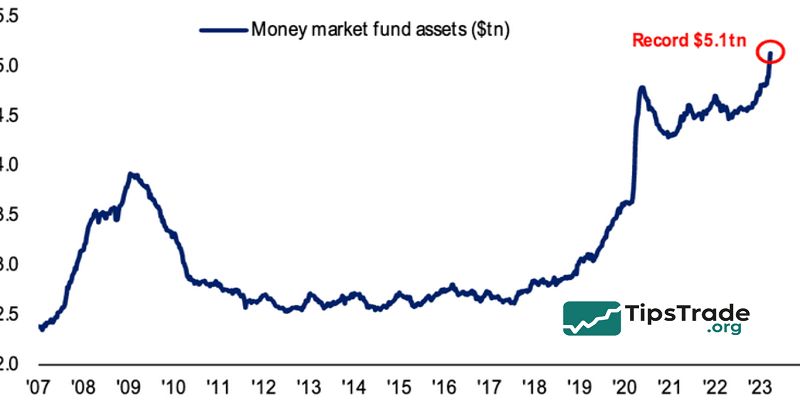
Money market fund assets are often described using collocations such as short-term debt instruments, capital preservation, high-quality securities, daily liquidity, stable net asset value, low credit risk, cash equivalents, and income stability. For investors researching money market funds, one of the most common questions is not only how these funds work, but what assets they […]

20
Jan
Jan
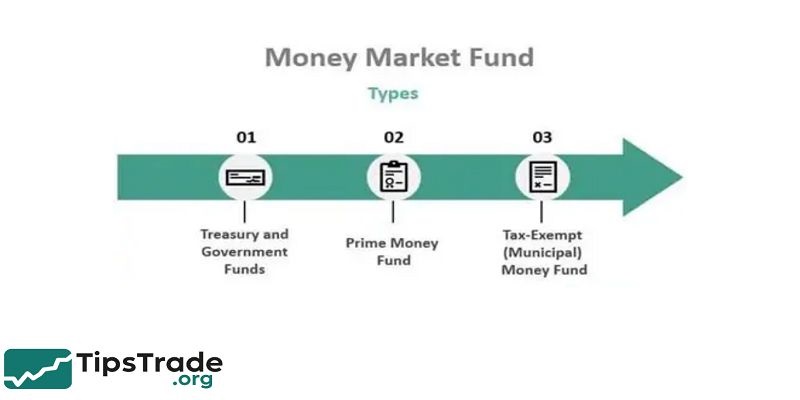
How money market funds work as a low-risk investment option provides investors with a stable way to earn returns on short-term cash holdings. These funds pool money from multiple investors to purchase high-quality, short-term debt securities like Treasury bills, commercial paper, and certificates of deposit, aiming to maintain a stable net asset value (NAV) of […]
20
Jan
Jan
Money Market Funds have become an increasingly popular investment vehicle for individuals and institutions seeking capital preservation, short-term liquidity, and low-risk returns. In periods of economic uncertainty, high interest rates, or market volatility, many investors look for a safe place to park cash without sacrificing all potential yield. This is where money market funds, cash […]
19
Jan
Jan
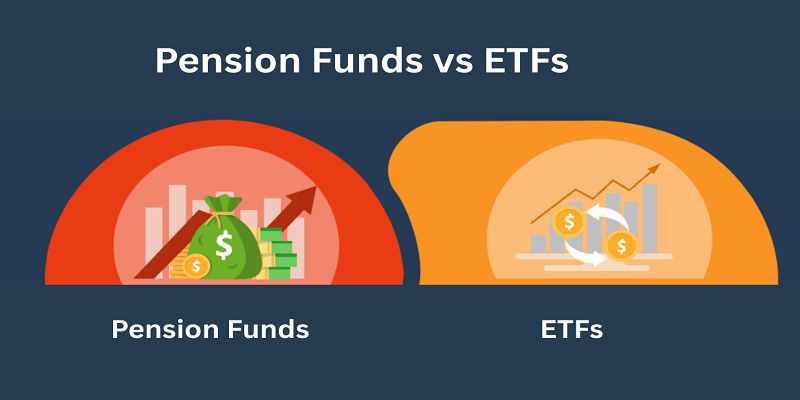
Pension funds vs ETFs is a common comparison among long-term investors seeking retirement investing, portfolio diversification, cost efficiency, and risk-adjusted returns. While both pension funds and exchange-traded funds (ETFs) are widely used investment vehicles, they serve different purposes, operate under different structures, and suit different investor profiles. Understanding the differences between pension funds and ETFs […]
19
Jan
Jan
Pension funds investment strategies play a critical role in shaping long-term retirement outcomes for millions of workers worldwide. Unlike short-term investors, pension funds focus on long-term investing, asset allocation, risk management, and portfolio diversification to ensure stable retirement income. Understanding how pension funds invest, manage market volatility, and balance risk and return helps individuals make […]

16
Jan
Jan
Pension funds reporting is a cornerstone of financial transparency, regulatory compliance, and long-term accountability in modern retirement systems. For beneficiaries, regulators, and policymakers, clear pension fund reporting provides insight into investment performance, funding status, risk management, and governance practices. As pension assets continue to grow globally, reporting requirements have expanded to include financial statements, investment […]

16
Jan
Jan
Public vs private pension funds is a critical step in effective retirement planning, long-term savings, and financial security. As life expectancy increases and traditional family support structures decline, pension systems have become a cornerstone of retirement income worldwide. Many individuals assume that government pensions alone are sufficient, while others rely heavily on private retirement plans […]
15
Jan
Jan
Pension funds regulations in Europe and Asia is essential for anyone involved in retirement planning, long-term savings, and cross-border employment. As populations age and traditional family support systems weaken, pension funds have become a critical pillar of financial security. However, pension systems are heavily shaped by regulatory frameworks, government oversight, and regional policy priorities. Many […]