
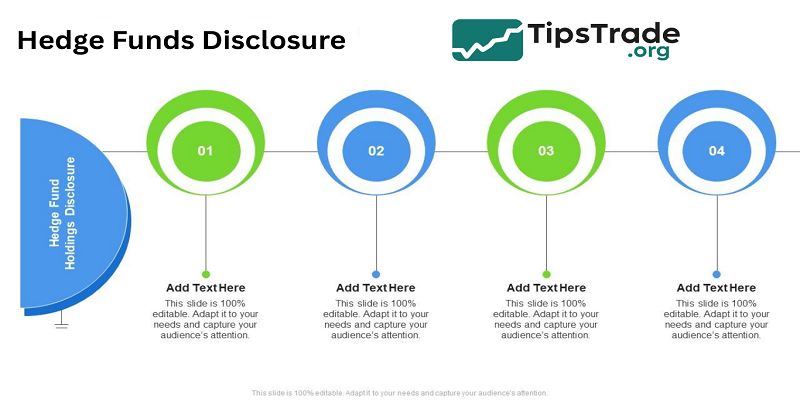
Hedge funds disclosure requirements mandate comprehensive reporting of strategies, risks, holdings, and performance to protect investors and ensure market stability. Unlike traditional mutual funds, hedge funds have historically enjoyed lighter regulation due to their sophisticated, accredited investor base, but post-2008 reforms like Form PF and SEC Rule 506 have imposed stricter transparency obligations. These disclosures […]
Author Archives: LeMy

25
Dec
Dec
How to invest in hedge funds requires understanding their unique strategies, risks, and accessibility for individual investors. Hedge funds represent an alternative investment vehicle that aims to generate high returns regardless of market conditions, often employing sophisticated tactics like leverage, derivatives, and short-selling. Unlike mutual funds, they are typically available only to accredited investors due […]
25
Dec
Dec
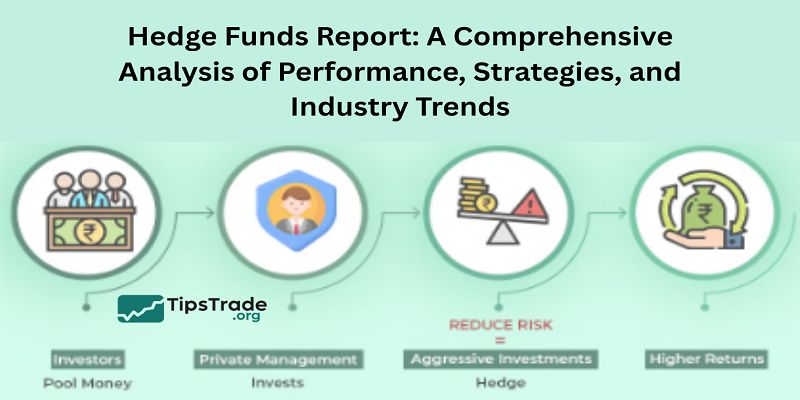
Hedge Funds Report is one of the most valuable resources for understanding the hedge fund industry, providing deep insights into hedge fund performance, investment strategies, assets under management (AUM), and market outlook. For institutional investors, analysts, and sophisticated individuals, these reports help evaluate risk-adjusted returns, identify emerging hedge fund strategies, and assess how funds perform […]
23
Dec
Dec
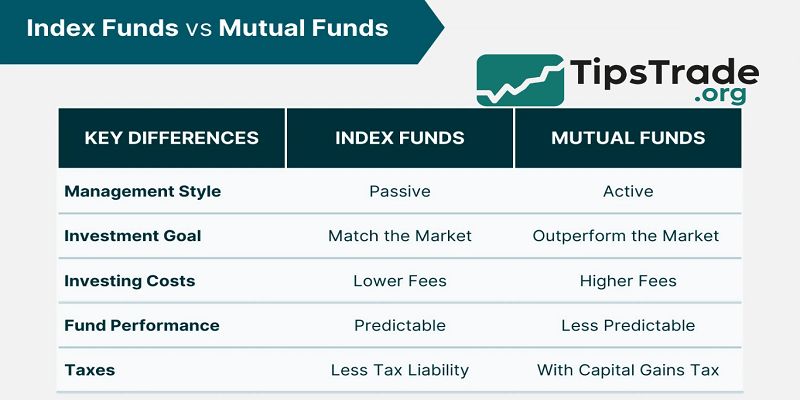
Index Funds vs Mutual Funds reveals key differences that can shape your investment strategy, with index funds offering passive, low-cost tracking of market benchmarks and mutual funds relying on active management by professionals. Index funds like Vanguard’s VTI shine with minimal fees and broad diversification, often outperforming mutual funds over time due to lower expenses. […]
23
Dec
Dec
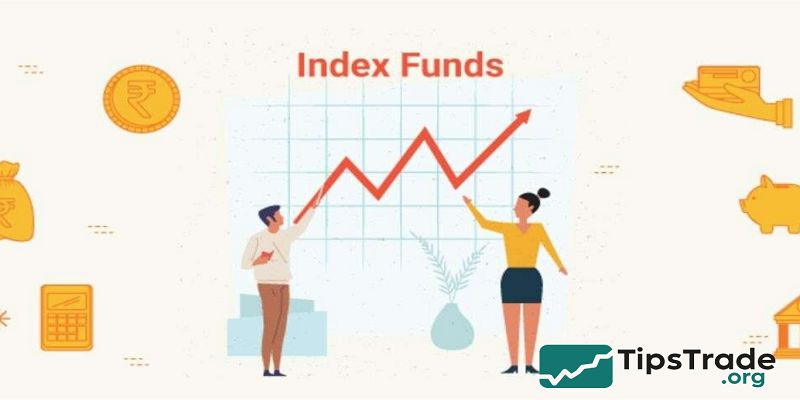
Advantages of index funds make them a top choice for investors seeking low-cost, diversified growth in today’s volatile markets. These passive investment vehicles track major benchmarks like the S&P 500, delivering consistent returns without the high fees of active management. From superior long-term performance to built-in diversification across thousands of stocks, index funds simplify wealth […]
23
Dec
Dec
Top Index Funds represent the cornerstone of passive investing, offering everyday investors a low-cost way to mirror the performance of major market benchmarks like the S&P 500. These funds have surged in popularity due to their simplicity, diversification benefits, and historical ability to outperform most actively managed alternatives over the long term. By tracking broad […]
22
Dec
Dec
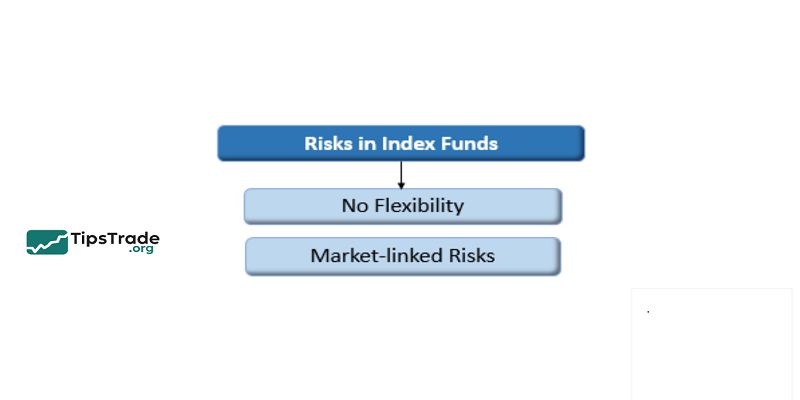
Risks in Index Funds, while often overshadowed by their low costs and simplicity, deserve careful scrutiny for any investor building a diversified portfolio. These passive vehicles track market indices like the S&P 500, offering broad exposure but exposing holders to systemic vulnerabilities such as market downturns, concentration in mega-cap stocks, and lack of adaptability during […]

22
Dec
Dec
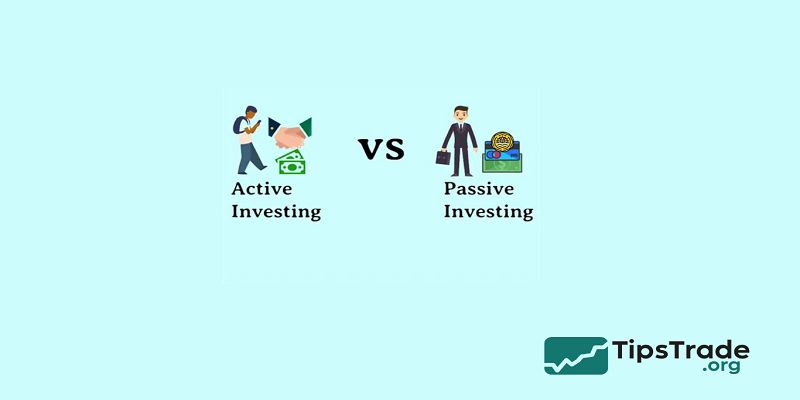
Active vs Passive Index Funds represent two fundamentally different approaches to investing in the stock market, each with distinct strategies, costs, and performance expectations. Active funds rely on professional fund managers who actively select stocks and make frequent trading decisions to outperform a benchmark index, such as the S&P 500, by capitalizing on market inefficiencies. […]

22
Dec
Dec
SEC index fund regulations exist to ensure transparency, fairness, and investor protection in a market dominated by passive investment strategies. While index funds are often marketed as “simple” or “low-risk,” they are still subject to complex regulatory frameworks. Understanding how the SEC regulates index funds helps investors make more informed decisions and avoid misconceptions about […]
19
Dec
Dec
Passive vs active index funds represent two fundamentally different approaches to investing, each with distinct strategies, costs, and performance implications. Passive index funds track market benchmarks like the S&P 500 through low-cost, buy-and-hold replication, minimizing human intervention and fees. In contrast, active index funds involve professional managers who attempt to outperform the market via selective […]