

Are CFDs legal? This is one of the first questions most investors ask before entering the world of Contracts for Difference trading. This article will help you understand the legal status of CFDs worldwide, how financial authorities regulate this product, and what essential factors you should consider before opening a trading account.
What are CFDs and why is their legality questioned?
Before taking a closer look at the question “Are CFDs legal?”, you need to understand more about what CFDs are.
What is a CFD (Contract for Difference)?
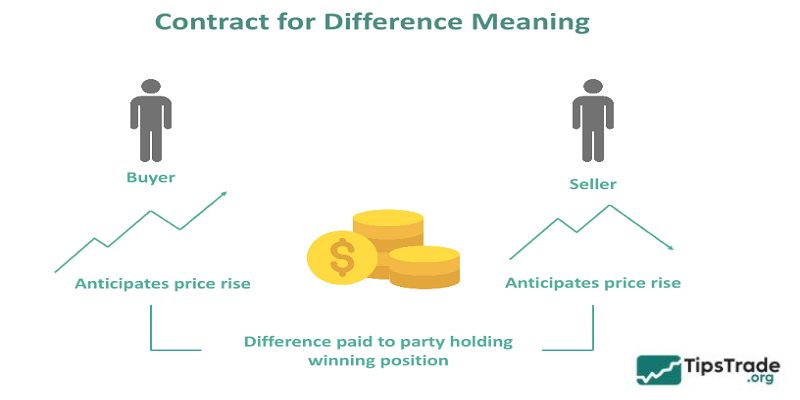
CFD stands for Contract for Difference, a type of derivative financial instrument that allows investors to profit from price movements of an underlying asset without actually owning that asset. When trading CFDs, you simply speculate on whether the price will rise or fall. If your prediction is correct, you earn the price difference; if it is wrong, you incur a loss.
One defining feature of CFDs is margin trading combined with leverage. This allows investors to control a much larger position than their initial capital. For example, with 1:100 leverage, you can control a $100,000 position with only $1,000 in capital. This magnifying effect is one of the main reasons CFDs are so appealing, especially to traders seeking higher short-term returns.
See more:
- How to Place a CFD Order in 5 Steps for Beginners
- CFD Demo Account: An Essential Tool for Beginner Traders
- Common Types of CFD Cost and How They are Calculated
- Common CFD Asset Types and How to Choose the Right One for Traders
Why do CFDs face legal restrictions?
Despite their popularity, CFDs face scrutiny from regulators for several reasons:
- High leverage – CFDs often offer leverage, allowing traders to control large positions with small capital.
- High risk of loss – Many retail traders lose money due to poor risk management.
- Over-the-counter (OTC) nature – CFDs are not traded on centralized exchanges.
- Consumer protection concerns – Regulators aim to protect inexperienced investors from excessive financial risk.
Because of these factors, some governments have implemented strict regulations or banned CFDs entirely for retail investors.
Are CFDs legal in different countries?
“Are CFDs legal?”. The answer is yes. Contract for Difference (CFD) trading is legal in many countries. However, the legality of CFD trading varies significantly depending on where you live. Below is an overview of the legal situation in several key regions:
Are CFDs legal in the Middle East?
The legality of CFD trading in the Middle East depends on each country and its specific regulatory framework. Some countries permit CFD trading, while others may impose certain restrictions.
In the United Arab Emirates (UAE), CFD trading is legal and regulated by the Securities and Commodities Authority (SCA). Licensed brokers in the UAE are allowed to provide CFD trading services to investors.
In contrast, in other countries such as Saudi Arabia, the regulatory environment may be stricter. The Capital Market Authority (CMA) in Saudi Arabia is responsible for overseeing the financial markets and may issue specific regulations regarding CFD trading, or may even prohibit this type of trading altogether.

Are CFDs legal in Europe?
CFD trading is legal in most countries within the European Union (EU), although regulations may vary between member states. The European Securities and Markets Authority (ESMA) has introduced a number of restrictive measures to enhance investor protection.
Some of the key regulations issued by ESMA include:
- Leverage limits: ESMA sets maximum leverage levels that can be offered to retail clients when trading CFDs, and these limits vary depending on the asset class.
- Negative balance protection: CFD providers are required to implement measures that protect retail clients from losing more than their initial investment.
- Risk warnings: CFD providers must clearly and prominently disclose the risks associated with CFD trading, including the potential for significant losses.

Are CFDs legal in the United Kingdom?
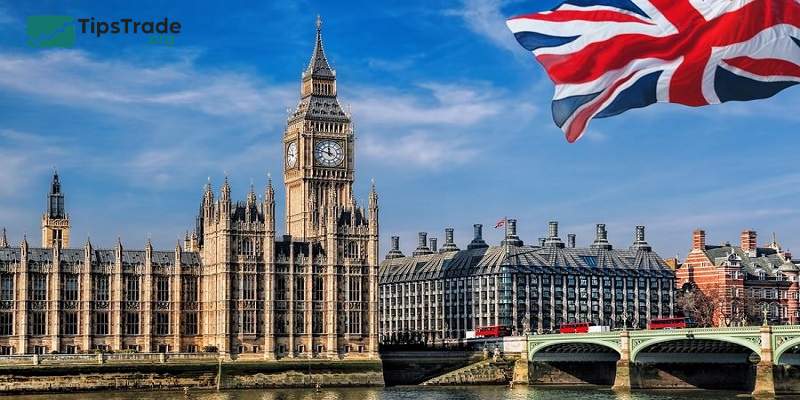
Yes, CFD trading is legal in the United Kingdom (UK). In fact, the UK is one of the world’s largest financial centers, and CFD trading is a widely used form of investment. However, CFD trading activities in the UK are regulated by the Financial Conduct Authority (FCA), which is responsible for overseeing financial markets and institutions in the country.
Are CFDs legal in the United States?
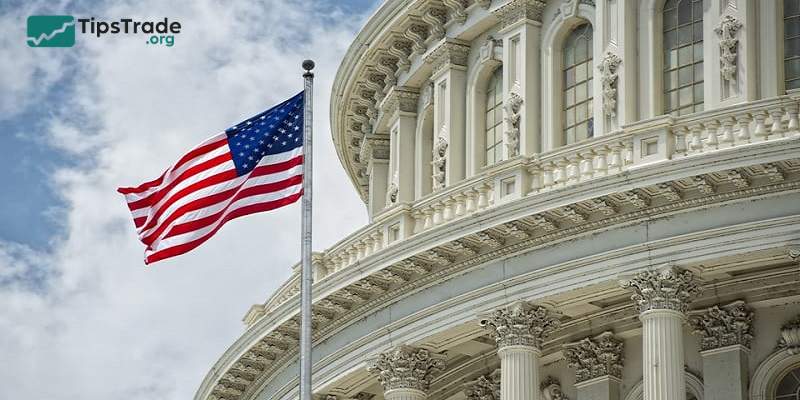
CFD trading is generally prohibited for U.S. residents due to restrictive regulations. These limitations are intended to protect investors from the high risks associated with CFDs, particularly the risks arising from financial leverage. In addition, CFD trading is not as common in the United States as it is in many other parts of the world, and it is subject to strict oversight by regulatory authorities such as:
- The Commodity Futures Trading Commission (CFTC)
- The National Futures Association (NFA)
Are CFDs legal in Australia?
Yes, CFD trading is legal in Australia. The Australian Securities and Investments Commission (ASIC) is the regulatory authority responsible for overseeing financial markets and financial services companies in Australia, including CFD providers. ASIC regulates CFD trading activities to ensure transparency, fairness, and investor protection.
=> Therefore, checking the legal status of CFD trading in your country is an essential step before engaging in any trading activities.

What happens if you trade CFDs where they are restricted?
- Legal consequences for traders: In many cases, regulators target brokers rather than individual traders. However, trading CFDs in a restricted jurisdiction may violate local financial laws. You may also face difficulties enforcing contracts or recovering funds if disputes arise.
- Tax implications of CFD trading: Even if CFDs are legal in your country, profits are usually taxable. Tax treatment depends on local laws such as in some countries, CFD profits are considered capital gains.In others, they may be treated as income. So, Always consult a tax professional to ensure compliance.
How to Trade CFDs Legally and Safely
Even if CFDs are legal where you live, the biggest risk is not the market, but choosing the wrong broker.
– Choose regulated brokers: Never trade with brokers licensed only in remote island nations (like St. Vincent and the Grenadines) if you lack experience. Prioritize “Tier-1” licenses:
- FCA (United Kingdom)
- ASIC (Australia)
- CySEC (Cyprus – Common in Europe)

– Verify license authenticity: Every broker claims to be “regulated.” However, you must visit the regulator’s website directly (e.g., Register.fca.org.uk) and enter the license number to verify its status.
– Warning on offshore brokers and scams: Currently, scams via messaging apps (Telegram, WhatsApp) are surging. Promises of “guaranteed profits” or “100% win-rate automated robots” are red flags for illegal CFD operations.
Final words
Are CFDs Legal? The answer depends entirely on the country where you reside and the financial regulations enforced by local authorities. While CFDs are legal and strictly regulated in major markets such as the United Kingdom, Europe, and Australia, they are prohibited for retail traders in the United States. Therefore, before you start trading, it is crucial to verify your local legal framework, choose a licensed broker, and fully understand the risks associated with leverage. With proper legal awareness and strong risk management, CFDs can become a flexible and potentially rewarding component of your overall investment strategy.
See more: