

CFD (Contract for Difference) trading is becoming increasingly popular. So, what are the advantages of CFD trading? What are the potential risks? Let’s explore with Tipstrade.org to make the best decisions for ourselves!
Characteristics of the CFD market
CFD (Contract for Difference) is a financial derivative that allows traders to speculate on the price movement of an asset without owning the underlying asset itself. Instead of purchasing stocks, commodities, or indices directly, traders enter into a contract with a broker to exchange the difference in price from the time the contract is opened to when it is closed.
For example, if you believe a stock will rise in value, you can open a buy (long) CFD position. If the price increases, you profit from the difference. If it falls, you incur a loss. The same logic applies in reverse when you open a sell (short) position.
Unlike traditional investing:
- You don’t own the asset.
- You can trade on margin (using leverage).
- You can profit from both upward and downward price movements.
Understanding these mechanics is essential before exploring the key advantages of CFD trading.
Top 5 advantages of CFD for traders
Now that we have explored the basic characteristics of the market, let’s take a closer look at the top advantages of CFD trading.
CFDs offer leverage
What are advantages of CFD? One of the most appealing aspects of CFD trading is leverage. It allows you to control a larger position with a smaller amount of capital. For example, with a leverage ratio of 10:1, you can control assets worth $10,000 by investing only $1,000.
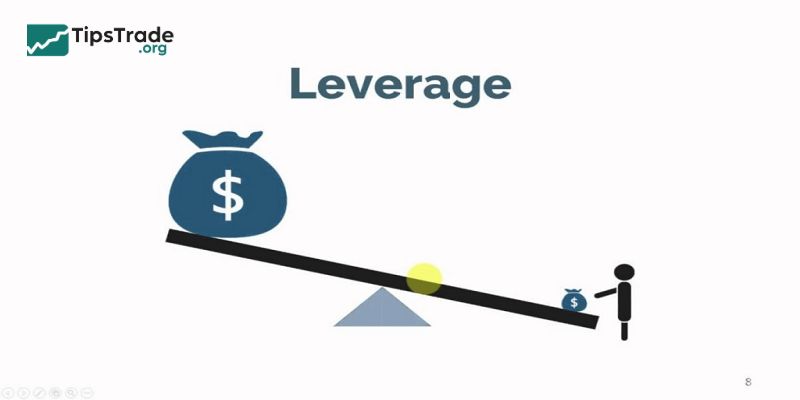
For beginner CFD traders, this can be especially beneficial. It enables you to enter larger market positions with less initial capital, thereby increasing your profit potential. However, it is important to note that leverage also increases the level of risk. For instance, in Forex trading, many brokers offer leverage ratios of up to 100:1 or even higher, meaning you can control $100,000 with just $1,000 of your own funds.
While leverage can amplify profits, it can also magnify losses. Therefore, using leverage wisely is crucial. It is recommended that beginners practice using leverage on a demo account before trading with real money.
No need for ownership of assets
When trading in the CFD market, you don’t need to actually own the asset. For example, if you are trading stocks or commodities, you are not required to purchase the physical shares or the actual commodity itself. Instead, you are trading a contract that is based on the price movements of the asset.
This is a significant advantage of CFD for beginners. You do not have to worry about managing physical assets such as gold or real estate, both of which can be expensive and complicated to hold. This simplicity allows you to focus entirely on price movements.

Flexibility to trade both rising and falling markets
Another important advantage of CFD trading is that you can trade in both rising and falling markets. If you believe the market will go up, you can open a Buy (Long) position. If you think it will decline, you can open a Sell (Short) position.
This flexibility gives beginners more opportunities to generate profits. For example, if you expect oil prices to fall, you can short sell oil through CFDs, even when the market is in a downward trend. This is not possible with traditional forms of investing, where profits are typically made only when prices increase.
In 2020, when the oil market collapsed, many CFD traders were able to profit by short selling oil prices. This flexibility allows beginners to trade in all market conditions, thereby increasing their chances of success.

Access to a wide range of markets
In Contract for Difference, provides access to a wide range of markets, including stocks, foreign exchange (forex), commodities, and even cryptocurrencies. This allows traders to trade popular assets such as Apple Inc. or Tesla Inc. stocks, or explore opportunities in gold, oil, and even Bitcoin.
This variety offers beginners more options to explore the CFD market. You can choose to trade in markets you are already familiar with or expand into new sectors. For example, if you are interested in the technology industry, you can trade stocks like Apple Inc. or Microsoft Corporation through CFDs without actually owning the underlying shares.
The ability to diversify trades across multiple markets also helps traders spread risk. For instance, if one market performs poorly, you may still achieve positive results in another, thereby helping to offset potential losses and maintain a more balanced trading portfolio.
Risk management tools
Many CFD trading platforms provide useful risk management tools, such as stop-loss and take-profit orders. These tools help limit losses and lock in profits by automatically closing your position when specific price levels are reached. For beginners, these tools are especially valuable. For example, a stop-loss order allows you to set a price level at which your position will automatically be closed if the market moves against your prediction. This helps prevent significant losses in the event of sudden market volatility.
Suppose you buy a CFD on Bitcoin at $50,000 and place a stop-loss at $48,000. If the price of Bitcoin drops to $48,000, your position will be automatically closed, minimizing your loss. These tools enable you to manage your trades more effectively, reduce emotional decision-making, and protect your investment capital.
Risks to consider despite the advantages of CFD
In reality, trading CFDs is not easy at all. Even if you are fully equipped with knowledge or analytical skills, you still cannot avoid some basic risks:
- Leverage risk: Leverage amplifies both gains and losses. Poor risk management can quickly deplete trading capital.
- Market volatility: Highly volatile markets can lead to rapid price swings, increasing the risk of margin calls.
- Overnight fees and spread costs: Holding positions overnight may incur swap fees. Additionally, spreads and commissions impact overall profitability.

How to get started with CFD trading
The first and most important step to start trading CFDs is choosing a reputable broker. You should look for one that offers a user-friendly platform, competitive fees, and reliable customer support. Many brokers provide demo accounts, allowing you to practice trading without the risk of losing real money.
Once you feel comfortable with the platform and the trading process, you can begin trading with real funds. However, make sure to apply risk management strategies such as using stop-loss orders and starting with small position sizes. As you gain more experience, you can gradually increase the size of your trades.
Conclusion
Thus, you have grasped the advantages of CFD trading along with the accompanying risks. Tipstrade.org hopes that the article above has provided sufficient information to help you make sound investment decisions. Wishing all traders success!
See more: