
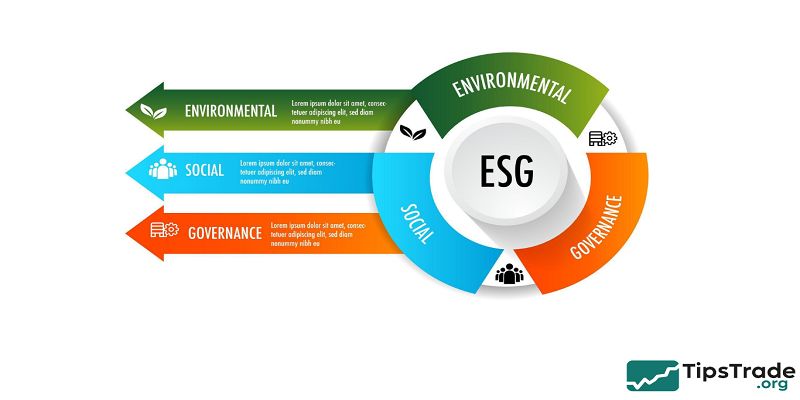
ESG funds trends are reshaping how investors think about risk, return, and responsibility in today’s markets. As sustainable investing trends accelerate, more people are looking for responsible investment strategies that balance long-term portfolio performance with climate risk management and ethical investment options. Investors want to understand the ESG investing landscape, how global ESG fund flows are changing, and whether regulatory pressure on ESG will strengthen or weaken this movement. For anyone who cares about both financial outcomes and real-world impact, these questions are no longer niche. Explore the detailed article at Tipstrade.org to be more confident when making important trading decisions.
What Are ESG Funds and Why Do They Matter Now?
ESG funds are investment vehicles that select and manage assets based on Environmental, Social, and Governance criteria alongside traditional financial metrics. Instead of focusing only on earnings and valuations, they also look at issues such as carbon emissions, labor practices, board independence, and business ethics.
The core idea is that companies managing their environmental and social risks effectively are more likely to be resilient over the long term. In practice, ESG funds can hold stocks, bonds, or a mix of assets, and they may track an index or be actively managed.
These funds matter now because several structural trends have converged. Extreme weather events, supply chain disruptions, and social controversies have made intangible risks feel very tangible to investors.
At the same time, regulators, large asset owners, and younger generations are pushing for more responsible investing. Over the past decade, assets in ESG strategies have grown rapidly and are now a mainstream part of global capital markets.
For many investors, ESG funds are no longer an exotic option but a serious tool for aligning portfolios with long-term sustainability themes and personal values.

Global Overview of the ESG Funds Market
Growth of ESG Assets and Fund Flows
Over the past several years, ESG assets under management have expanded from niche levels to a significant share of global fund markets. Large asset managers have launched hundreds of ESG strategies, and major index providers have created sustainable benchmarks for equities and fixed income.
Fund flows tell a nuanced story: net inflows into ESG funds surged during the late 2010s and early 2020s, then moderated as markets became more volatile and political debate around ESG intensified.
Even when short-term flows cooled, however, total assets tended to remain elevated because many institutional investors treat ESG as a structural, long-term theme rather than a temporary trend.
From an investor’s perspective, this growth has two implications. First, the menu of ESG products is much broader, ranging from simple ESG index funds to specialized thematic strategies. Second, not every strategy is created equal.
As ESG labels have multiplied, so has the risk of greenwashing and superficial marketing. Understanding ESG funds trends therefore requires looking beyond headline growth and asking how genuinely sustainable and financially robust these products are.
Regional Differences: US, Europe, and Asia-Pacific
ESG funds trends look different when you compare regions. Europe has been the most advanced market for sustainable investing, with strong policy support and detailed disclosure rules.
European investors have access to a wide range of ESG funds, and regulations push asset managers to classify their strategies according to how sustainability is integrated. This framework has encouraged more rigorous approaches but has also forced some products to downgrade their labels when they cannot meet higher standards.
In the United States, ESG has grown quickly but faced more political polarization. Some states promote sustainable investing, while others restrict it in public funds, arguing it is too “values-driven.” This creates a more fragmented environment for managers and investors. Asia-Pacific is catching up from a lower base, with particular momentum in markets like Japan, Singapore, and parts of China.
Many investors there see ESG as essential for managing climate and transition risks. These regional differences matter because they shape data availability, fund design, and the degree of regulatory scrutiny an ESG fund will face.
Types of ESG Funds: Approaches and Strategies
ESG funds do not follow a single methodology; instead, they use several approaches that reflect different investor priorities. One common approach is ESG integration, where portfolio managers incorporate ESG risks and opportunities into their fundamental analysis but still focus primarily on financial outcomes. Another is negative screening, which excludes certain sectors or practices, such as coal mining, controversial weapons, or severe human rights violations. This style is popular with investors who want to avoid specific harms.
There are also thematic ESG funds that concentrate on particular sustainability themes: renewable energy, clean water, circular economy, or gender diversity.
Impact funds go a step further, aiming to generate measurable social or environmental benefits alongside returns. In fixed income, green bond funds and sustainability-linked bond strategies allocate capital to projects that support climate mitigation, infrastructure resilience, or social inclusion.
Understanding these categories helps investors match ESG funds trends with their own objectives. For instance, an investor focused on decarbonization might favor climate-transition strategies, while another who wants broad diversification might choose a core ESG index fund.
Key ESG Funds Trends for 2025–2026

Stricter ESG Regulations and Disclosure Requirements
One of the most important ESG funds trends is the tightening of regulatory frameworks around sustainability disclosures. Authorities in major markets are introducing detailed rules on how asset managers must label and report ESG products.
These rules often require clear explanations of investment objectives, sustainability criteria, and metrics used to monitor progress.
Funds that previously relied on broad or vague ESG language are being pushed to provide more concrete evidence of their methodology.
For investors, this shift cuts both ways. On the positive side, better disclosure and standardized terminology can reduce greenwashing and make comparisons across funds more meaningful. It also encourages the development of robust data systems and internal governance within asset managers.
On the challenging side, regulations can be complex and evolving, leading to reclassification of funds, changes in holdings, or temporary confusion about what different labels actually mean.
Staying informed about ESG regulations is therefore an important part of understanding where the market is heading and which products are likely to remain credible over the long term.
Shift from Marketing-Driven ESG to Measurable Outcomes
Another clear trend is the movement from ESG being primarily a marketing label to a framework focused on measurable outcomes. Early in the ESG boom, some funds simply rebranded existing portfolios with sustainable language or applied only minimal exclusions.
As a result, more ESG funds are building frameworks that link their investment process to specific indicators, such as carbon intensity, board diversity, or alignment with climate scenarios. Managers are running portfolio-level analyses to understand exposure to transition and physical risks.
Third-party assurance and independent ESG research are also becoming more common. From a practical standpoint, this trend means that when investors look at ESG funds trends, they should expect to see more detailed reporting, case studies, and examples of engagement with companies, rather than generic statements about “doing good.”
Rising Focus on Climate Transition, Energy, and Biodiversity
Climate risk remains the central pillar of many sustainable investing strategies, and this is unlikely to change in the next few years. However, the conversation is evolving from simple exclusion of fossil fuels to a more nuanced focus on climate transition.
Investors want to know which companies are adapting their business models to a low-carbon world, investing in clean technologies, and managing physical climate risks like floods or heatwaves. ESG funds trends increasingly highlight transition plans, science-based targets, and sector-specific pathways.
At the same time, attention to biodiversity loss and ecosystem services is accelerating. Funds are starting to track indicators related to deforestation, water stress, and land use, particularly in sectors such as agriculture, food, and mining. Energy-related themes remain central, including renewable power, grid infrastructure, and energy efficiency.
For individual investors, this broadening of focus means that ESG funds can provide exposure to a diverse set of sustainability themes, not just carbon reduction. It also underscores the need to understand which environmental issues a particular fund prioritizes and how that aligns with personal convictions and risk preferences.
Growth of Green Bonds and Sustainability-Linked Bonds
In fixed income markets, one of the strongest ESG funds trends is the expansion of green bonds and sustainability-linked bonds. Green bonds allocate proceeds to specific projects with environmental benefits, such as renewable energy installations, energy-efficient buildings, or clean transportation.
Sustainability-linked bonds, by contrast, tie the bond’s financial characteristics to the issuer’s performance on certain sustainability targets, such as emissions reductions or renewable energy usage.
If the issuer fails to meet these goals, coupons or redemption terms may change.
For investors seeking income and impact, these instruments offer a way to channel capital directly into transition activities while still maintaining diversification across issuers and sectors.
Fund managers increasingly launch dedicated green bond funds or integrate these securities into broader ESG fixed income portfolios. However, investors should still examine the quality of project selection, reporting, and external verification.
The label alone does not guarantee environmental integrity. As the market grows, distinguishing high-quality instruments from weaker ones will be a key skill for both fund providers and end investors.
Investor Demand for Better Data and Transparency

Data quality is a persistent challenge in ESG investing, and it is a major driver of ESG funds trends. Investors are asking for more consistent, comparable, and timely information on company practices and outcomes.
Traditional ESG ratings often diverge because they use different methodologies and weightings. This can make it difficult to interpret scores or understand why a company ranks differently across providers.
In response, fund managers are combining multiple data sources, developing internal scoring systems, and using alternative datasets such as news analytics or satellite imagery.
This hunger for better data goes beyond simple scores. Investors want to see narrative explanations, concrete examples of improvements, and clear links between ESG analysis and investment decisions.
They also expect transparency about limitations: where data is missing or uncertain, and how that uncertainty is handled in the process. Funds that are open about their strengths and constraints tend to build more trust.
For individuals, choosing ESG funds increasingly involves reading not only the marketing brochure but also the methodology documents and sustainability reports, then making an informed judgment about credibility.
Short-Term Backlash vs Long-Term Structural Growth

In some markets, ESG has become politically contentious, leading to headlines about “backlash” and restrictions on sustainable investing in certain public funds. This can make newcomers worry that ESG is just a passing fad.
Yet the underlying drivers—climate risk, regulatory change, evolving consumer preferences, and technological innovation—are long-term in nature.
Major financial institutions, insurers, and central banks continue to study how environmental and social risks affect financial stability and asset valuations.
The result is a tension between noisy short-term debates and a quieter, structural shift in how finance accounts for sustainability. Some funds that were launched hastily during the boom are likely to close or consolidate.
Others will adapt and deepen their approach. For investors, recognizing this distinction is essential. Short-term sentiment can affect flows and valuations, but the fundamental need to manage climate and social risks is not disappearing.
A thoughtful ESG strategy, grounded in data and realistic expectations, can still play a valuable role in a diversified portfolio, even as public narratives fluctuate.
Performance of ESG Funds vs Traditional Funds
How ESG Funds Have Performed Across Market Cycles
The performance of ESG funds compared with traditional funds has been mixed and depends heavily on time horizon, region, and sector composition.
During periods when technology and quality growth companies outperform, ESG funds often benefit, because many sustainable strategies tilt toward these segments and away from heavy-emitting industries such as coal.
In several market cycles, this has led to competitive or even superior returns relative to conventional benchmarks. Some studies also suggest that companies with stronger governance and better risk management can experience fewer severe controversies, which helps protect shareholder value.
However, the picture is not uniformly positive. When commodity prices surge and carbon-intensive sectors rally, ESG funds that underweight these industries may lag behind traditional portfolios.
This has been particularly visible during phases of strong energy rallies. For investors, the key lesson is that ESG does not eliminate normal market dynamics. It changes factor exposures and sector weights, which can help or hurt performance depending on conditions.
Evaluating ESG funds trends requires looking at risk-adjusted returns over a full cycle, rather than focusing only on short bursts of outperformance or underperformance.
Risk Management Benefits Downside Protection and Volatility
One of the most compelling arguments for ESG funds is their potential contribution to risk management. Companies with stronger environmental and social practices may be better at anticipating regulatory shifts, managing resource constraints, and maintaining employee engagement.
Good governance, including independent boards, transparent reporting, and responsible incentive structures, can also reduce the likelihood of fraud or severe scandal. These attributes can translate into fewer tail-risk events and more stable earnings, which support long-term valuations.
In practice, some ESG funds have shown lower volatility or smaller drawdowns during market stress, especially when their process emphasizes balance sheet strength, governance quality, and robust risk controls.
However, these benefits are not guaranteed, and they depend on how deeply ESG analysis is integrated into the investment process.
Investors should examine whether an ESG fund has a clear risk framework, how it handles controversial holdings, and how it responds to emerging risks such as new climate policies or technological disruptions.
When ESG is treated as a rigorous risk lens rather than a marketing label, it can complement traditional financial analysis and support more resilient portfolios.
Limitations and When ESG Funds Can Underperform
Despite their advantages, ESG funds also come with limitations that investors should acknowledge. Excluding certain sectors can reduce diversification, especially in small markets or specialized indices.
This concentration can increase exposure to specific styles, such as growth or large-cap, making performance more sensitive to shifts in interest rates or investor sentiment.
Some ESG funds also carry higher fees than plain-vanilla index products, which can weigh on net returns over long holding periods.
Another limitation is the imperfect nature of ESG data and ratings. Differences in methodology mean that a company considered “best-in-class” by one provider may look average or weak according to another. Managers who rely heavily on one dataset may overlook important nuances or controversies.
In addition, companies can improve or deteriorate quickly in response to management changes or external events. For investors, this means ESG funds are not “set and forget” solutions.
It is important to monitor performance, review holdings periodically, and stay alert to changes in methodology or stewardship practices. Treating ESG funds as one tool among many, rather than a magic solution, helps maintain realistic expectations and better investment decisions.
Main Risks and Challenges in ESG Investing

Greenwashing and Inconsistent ESG Ratings
Greenwashing—presenting an investment as more sustainable than it truly is—is one of the most widely discussed risks in ESG funds trends. It can occur at several levels: companies may exaggerate their sustainability achievements, while funds may overstate how deeply ESG influences their decisions.
Inconsistent ESG ratings compound the problem. Because rating agencies use different data, assumptions, and weightings, the same company can receive very different scores.
Investors who look only at star ratings or labels may be misled into believing a portfolio is more aligned with their values than it actually is.
To reduce this risk, investors can go one layer deeper. Instead of relying purely on labels, they can review the fund’s methodology, case studies of engagement, and examples of how ESG considerations have affected buy or sell decisions.
Comparing disclosures across several funds also reveals whether a manager is genuinely integrating sustainability or simply following a trend. Over time, regulatory efforts and industry standards may improve alignment, but critical thinking will always be necessary.
Recognizing the reality of greenwashing is not a reason to abandon ESG investing; it is a reminder to approach it with healthy skepticism and due diligence.
Regulatory Uncertainty and Political Pushback
Regulation is both a driver and a source of uncertainty for ESG investing. On one hand, clearer rules on climate disclosure, sustainability labelling, and stewardship responsibilities provide a more solid foundation for ESG funds.
On the other hand, rapid changes and differing approaches across jurisdictions can create confusion. Asset managers may need to reclassify funds, adjust prospectuses, or alter strategies to comply with new standards.
For investors, this can result in unexpected shifts in holdings or changes in how funds describe their objectives.
Political pushback in some regions adds another layer of complexity. ESG has become part of broader cultural and policy debates, with stakeholders disagreeing on whether it represents prudent risk management or undue social engineering.
This tension may affect public pension funds, regulatory wording, or media narratives. Investors must distinguish between headline noise and fundamental trends.
While political winds may shift, the underlying economic exposure to climate risk, resource scarcity, and social stability remains.
Understanding these dynamics helps investors avoid overreacting to short-term controversies while staying attentive to how policy decisions might impact specific sectors or strategies.
Data Quality, Disclosure Gaps, and Methodology Differences
High-quality ESG investing relies on accurate, timely, and decision-useful data, yet such data is still evolving. Corporate sustainability reports often vary in scope and detail, and smaller firms may disclose less than large multinationals.
In emerging markets, data gaps can be even more significant. Rating agencies and data providers attempt to fill these gaps with estimates, alternative datasets, and machine learning models.
While these tools are valuable, they also introduce uncertainty and potential bias.
Methodology differences—how indicators are chosen, normalized, and weighted—mean two providers can reasonably reach different conclusions from the same information. This is not inherently a flaw, but investors should understand that ESG scores are analytical opinions, not objective facts.
A practical response is to view ESG metrics as one input among several, combining them with qualitative analysis, company dialogue, and sector knowledge. For individual investors, reading summaries of how a fund sources and interprets ESG data can offer insight into its strength and limitations. Transparency about methods and limits is a critical part of building trust in ESG products.
How Individual Investors Can Choose ESG Funds
Clarify Your Values, Goals, and Risk Tolerance
Before selecting any ESG fund, investors benefit from taking a step back and clarifying what they truly want to achieve.
Some focus on aligning their portfolio with personal values, such as avoiding tobacco, weapons, or severe environmental harm. Others are primarily motivated by risk management and long-term financial performance, seeing ESG as a lens to spot emerging threats and opportunities.
A third group may prioritize specific themes, like clean energy or social inclusion, and accept higher volatility in pursuit of those goals.
Understanding risk tolerance is equally important. ESG funds can behave differently from broad market indices, depending on sector tilts and thematic exposures.
An investor nearing retirement with low risk tolerance might favor diversified, core ESG index funds, while a younger investor comfortable with higher short-term volatility might allocate more to thematic or impact strategies.
Writing down priorities—values, time horizon, risk tolerance, and desired impact—helps guide fund choices and reduces the temptation to chase short-term performance or marketing stories.
How a Financial Advisor Might Integrate ESG Funds
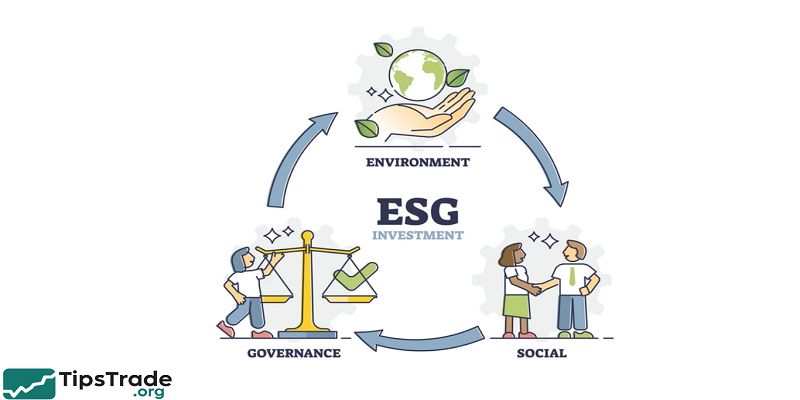
A financial advisor working with clients who are curious about sustainability might take a structured approach to ESG integration. First, they would explore the client’s values and constraints, asking whether there are industries they want to avoid or themes they want to emphasize.
Next, the advisor would review existing holdings, identifying areas where ESG funds could replace conventional strategies without disrupting the overall asset allocation. For example, they might swap a broad global equity index fund for an ESG version with similar risk characteristics.
The advisor could then introduce a limited allocation to thematic ESG funds that match the client’s interests, such as clean energy or social impact, while clearly explaining the higher volatility such funds may entail.
Throughout the process, they would emphasize that ESG investing is not guaranteed to outperform and that it should be approached with the same discipline as any other strategy.
Periodic reviews would examine both financial performance and progress toward the client’s sustainability objectives.
This real-world use case illustrates how ESG funds trends move from abstract ideas into concrete portfolio decisions.
Conclusion
ESG funds trends are reshaping the way investors think about the relationship between capital, risk, and the real economy. Sustainable investing trends highlight that environmental and social issues are not separate from financial performance; they are deeply intertwined with how companies operate and how markets evolve. At the same time, the rise of ESG funds has brought new challenges: data gaps, methodological differences, political debates, and the risk of greenwashing.