

Risks of ESG funds are often overlooked despite their growing popularity in sustainable investing. While these funds aim to promote environmental, social, and governance values, they are not immune to financial uncertainties and management challenges. Investors may face issues such as inconsistent ESG rating standards, limited transparency in fund selection, and potential greenwashing—where companies exaggerate their sustainability claims. Moreover, ESG funds can underperform in certain market conditions when traditional sectors outperform sustainable ones. Understanding these risks is crucial for investors to make informed, balanced, and responsible investment decisions. Explore the detailed article at Tipstrade.org to be more confident when making important trading decisions.
What Are ESG Funds?
Definition of ESG Funds
ESG funds are investment funds that incorporate Environmental, Social, and Governance (ESG) factors into their investment selection and portfolio management process. Instead of focusing solely on financial metrics, ESG funds evaluate companies based on sustainability criteria such as carbon emissions, labor practices, diversity policies, and corporate governance structures.
Typically, ESG funds invest in companies that demonstrate responsible business practices while avoiding industries considered harmful, such as tobacco, fossil fuels, or controversial weapons. According to research by the Global Sustainable Investment Alliance (GSIA), global sustainable investment assets surpassed $30 trillion, showing how rapidly ESG investing has expanded.
However, ESG funds are not all structured the same way. Some funds apply negative screening, which excludes certain industries, while others use positive screening to select companies with strong ESG scores. Still, others follow impact investing strategies, aiming to generate measurable environmental or social outcomes.
While these approaches can support sustainability goals, they also introduce potential ESG investment risks. The lack of standardized ESG definitions and rating systems means investors may interpret ESG criteria differently, which can affect fund transparency and investment performance.
Why ESG Investing Has Become Popular

The popularity of ESG investing has grown dramatically over the past decade due to several global trends. Institutional investors, pension funds, and retail investors increasingly believe that sustainability factors can influence long-term financial performance and risk management.
One major driver is climate change awareness. Governments, regulators, and investors are paying closer attention to environmental risks such as carbon emissions, resource scarcity, and climate transition costs. ESG funds allow investors to align their portfolios with sustainability goals while potentially reducing exposure to environmental liabilities.
Another factor is changing investor demographics. Millennial and Gen Z investors often prioritize ethical investing and social responsibility. Surveys from organizations such as Morgan Stanley Institute for Sustainable Investing indicate that younger investors are more likely to consider ESG criteria when making investment decisions.
Additionally, large asset managers like BlackRock and Vanguard have increasingly integrated ESG strategies into their investment offerings. This institutional support has accelerated the growth of ESG funds.
Despite this momentum, critics argue that ESG investing may also introduce sector bias, higher costs, and uncertain financial performance, making it essential for investors to carefully evaluate the risks of ESG funds before allocating capital.
Key Risks of ESG Funds
ESG Rating Inconsistency
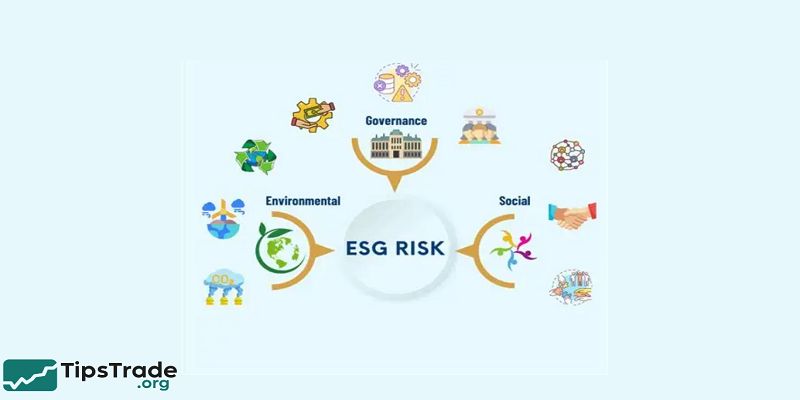
One of the most significant risks of ESG funds is the inconsistency of ESG ratings across different rating agencies. Unlike traditional credit ratings, ESG scoring lacks universal standards, meaning different organizations may evaluate the same company very differently.
For example, major ESG rating providers such as MSCI, Sustainalytics, and Refinitiv often use different methodologies to assess ESG performance. One provider might rate a company highly for its environmental initiatives, while another may penalize it for governance issues or supply chain risks.
Research published in academic finance journals has shown that correlation between ESG ratings from different agencies can be surprisingly low. This inconsistency creates challenges for investors who rely on ESG scores when selecting ESG funds.
For fund managers, this variability can lead to portfolio construction differences. Two ESG funds with similar marketing descriptions may hold very different companies depending on which ESG data provider they use.
For investors, the result is uncertainty. Without standardized ESG metrics, it becomes harder to determine whether an ESG fund truly reflects sustainable investment principles or simply follows a particular rating methodology.
Greenwashing Risk
Greenwashing is another widely discussed concern in ESG investing. It occurs when a company or investment fund markets itself as environmentally or socially responsible without genuinely meeting those standards.
In the context of ESG funds, greenwashing can happen when asset managers label a fund as “ESG” or “sustainable” primarily for marketing purposes. The underlying portfolio may still include companies that have questionable environmental or social records.
Regulators have started paying closer attention to this issue. For example, the U.S. Securities and Exchange Commission (SEC) has introduced proposals requiring funds to disclose more detailed information about their ESG investment strategies.
Greenwashing can create several risks for investors:
- Misleading sustainability claims
- Lack of transparency in fund holdings
- Reputational risk for investors seeking ethical investments
- Potential regulatory scrutiny
According to research by organizations such as Morningstar, some funds marketed as ESG have relatively limited ESG integration. This makes it crucial for investors to carefully review a fund’s investment methodology, holdings, and ESG screening criteria before investing.
Limited Diversification
Another potential disadvantage of ESG funds is limited diversification. ESG strategies often exclude certain industries such as fossil fuels, tobacco, or weapons manufacturing. While these exclusions align with sustainability principles, they can reduce the number of investment opportunities available to the fund.
As a result, ESG funds may become more concentrated in specific sectors, particularly technology, healthcare, and consumer goods, where companies typically receive stronger ESG scores. This concentration can increase portfolio volatility if these sectors experience downturns.
For example, energy companies are often underrepresented in ESG portfolios because of their carbon emissions. However, during periods when energy stocks outperform the broader market, ESG funds may lag behind traditional funds.
Limited diversification may also create geographic concentration risks. Some ESG funds favor companies from developed markets with stronger sustainability reporting standards, potentially reducing exposure to emerging markets.
Investors should remember that diversification remains a core principle of risk management. If an ESG fund holds a relatively narrow range of sectors or industries, it could increase the overall risk profile of an investment portfolio.
Performance Risk

Many investors assume ESG funds will outperform traditional funds because companies with strong sustainability practices may be better managed. While some studies support this idea, performance outcomes can vary widely depending on market conditions.
During certain periods, ESG funds have performed strongly due to their heavy exposure to technology and growth-oriented companies. However, in other market environments—such as when energy or commodity stocks surge—ESG funds may underperform.
Academic research from institutions like Harvard Business School and Oxford University has shown mixed evidence regarding ESG performance. Some studies suggest ESG factors can reduce long-term risks, while others find no consistent performance advantage.
Performance risk can arise from several factors:
- Sector concentration
- Exclusion of profitable industries
- High valuations of ESG-friendly companies
- Market cycles favoring non-ESG sectors
Investors should understand that ESG funds are not guaranteed to outperform traditional funds. Like any investment strategy, ESG investing involves trade-offs between financial returns, risk management, and ethical objectives.
Higher Fees
ESG funds sometimes charge higher expense ratios compared with traditional index funds. The additional costs can stem from several factors, including ESG research, data acquisition, and active portfolio management.
ESG analysis requires specialized data providers and analysts who evaluate environmental impact, corporate governance practices, and social responsibility indicators. These additional resources may increase operational costs for fund managers.
For example, many ESG mutual funds have expense ratios that are higher than standard passive index funds, though the difference has been narrowing in recent years. According to Morningstar research, ESG funds have historically carried slightly higher fees due to active screening and sustainability analysis.
Higher fees can affect long-term investment returns, especially when compounded over many years. Even a small difference in expense ratio can significantly reduce portfolio growth.
Investors evaluating ESG funds should carefully review:
- Expense ratio
- Management fees
- Fund turnover rate
- Tracking error relative to benchmarks
Lower-cost ESG index funds are becoming more available, which may help address this risk over time.
Regulatory and Policy Risks
Changing ESG Regulations
Regulatory frameworks for ESG investing are still evolving. Governments and regulatory bodies around the world are introducing new disclosure rules related to climate risks, sustainability reporting, and ESG investment labeling.
For example, the European Union’s Sustainable Finance Disclosure Regulation (SFDR) requires asset managers to classify funds based on their sustainability objectives. Similarly, the U.S. Securities and Exchange Commission (SEC) has proposed climate-related disclosure rules for publicly traded companies.
While these regulations aim to improve transparency, they can also create uncertainty for ESG funds. Changes in reporting requirements may force funds to adjust their investment strategies or reclassify their ESG status.
Regulatory shifts can affect:
- Fund marketing claims
- ESG disclosure obligations
- compliance costs
- portfolio composition
For investors, this means that the regulatory environment surrounding ESG investing may continue to evolve. Funds labeled as ESG today might face new reporting requirements or regulatory scrutiny in the future.
Political and Ideological Controversies
ESG investing has also become a topic of political debate in some regions. Critics argue that ESG strategies may prioritize social or environmental goals over shareholder returns, while supporters believe ESG integration helps manage long-term risks.
In the United States, some state governments have challenged ESG investing by restricting the use of ESG criteria in public pension funds. At the same time, other governments strongly support sustainable finance initiatives.
These ideological disagreements create uncertainty for ESG fund managers and investors. Policy changes or political pressure could influence how ESG funds operate or how companies disclose sustainability data.
Political controversy can also affect market sentiment. Companies associated with ESG initiatives may face public criticism from opposing groups, potentially influencing investor behavior.
Although ESG investing remains widely supported by many institutional investors, political risk is an emerging factor that investors should consider when evaluating the long-term stability of ESG investment strategies.
Market Risks Specific to ESG Investing
Sector Bias
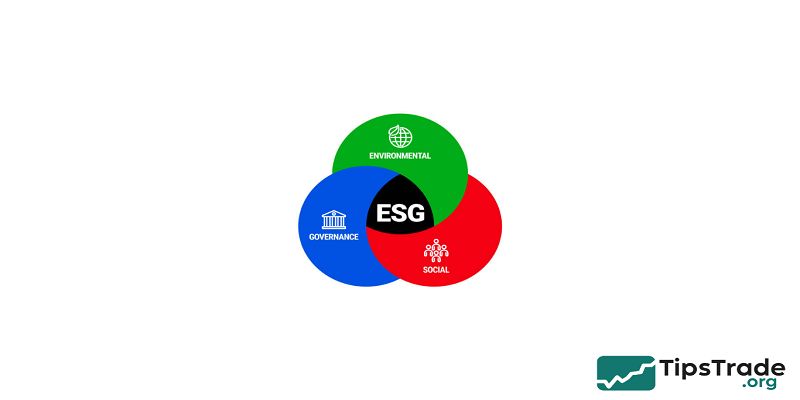
Sector bias is one of the most frequently discussed risks associated with ESG funds. Because ESG strategies often exclude certain industries, the resulting portfolios may overweight sectors that naturally score well on ESG criteria.
Technology companies, for example, typically receive higher ESG ratings due to their lower direct carbon emissions compared with heavy industries. As a result, ESG funds often allocate a large portion of their assets to technology stocks.
On the other hand, sectors such as energy, mining, and industrial manufacturing may receive lower ESG scores and therefore appear less frequently in ESG portfolios.
This imbalance can create performance differences between ESG funds and traditional market indexes. If technology stocks perform well, ESG funds may outperform. However, if commodity-based industries rally, ESG funds may lag behind.
Investors should analyze the sector allocation of ESG funds carefully to understand how sector bias may affect their investment outcomes.
Valuation Risk
Valuation risk occurs when investors drive up the prices of companies perceived as ESG leaders. As demand for ESG investments grows, certain companies may trade at higher valuations relative to their earnings or growth prospects.
High valuations can create risks if market expectations become unrealistic. If ESG-favored companies fail to meet growth expectations, their stock prices could decline significantly.
Research from financial institutions has highlighted that some ESG-focused sectors—particularly technology and renewable energy—have experienced periods of elevated valuations due to strong investor demand.
This does not necessarily mean ESG companies are overvalued in every case, but it highlights the importance of conducting fundamental analysis in addition to ESG screening.
Investors should evaluate whether ESG funds are investing in companies with sustainable business models and reasonable valuations rather than relying solely on ESG scores
ESG Funds vs Traditional Funds Risk Comparison
The table below compares common risk factors between ESG funds and traditional investment funds.
| Risk Factor | ESG Funds | Traditional Funds |
| Diversification | May exclude industries | Broad market exposure |
| Fees | Sometimes higher | Often lower |
| ESG rating uncertainty | Present | Not relevant |
| Regulatory exposure | Higher | Lower |
| Sector concentration | More likely | Less likely |
This comparison shows that ESG funds can offer unique sustainability benefits but may also introduce additional risks related to portfolio construction, regulation, and valuation.
Are ESG Funds Still Worth Investing In?
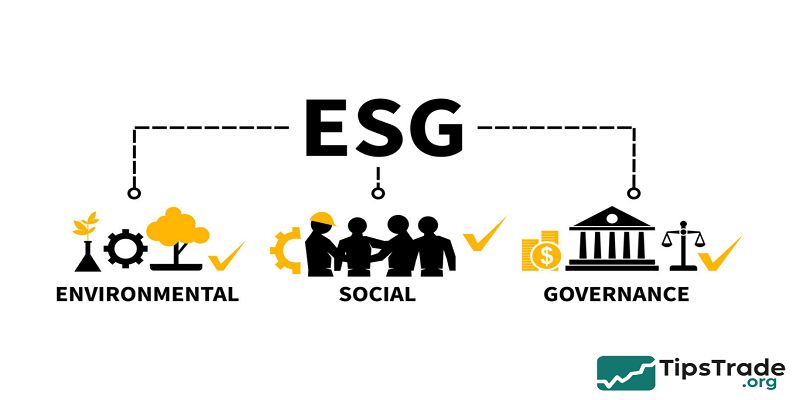
Despite the risks discussed above, ESG funds continue to attract significant investor interest. Many investors believe ESG integration can help identify companies that are better prepared for long-term environmental and social challenges.
Companies that manage climate risks, treat employees responsibly, and maintain strong governance practices may be better positioned for sustainable growth.
Furthermore, regulatory developments and improved ESG reporting standards may gradually reduce issues such as greenwashing and rating inconsistencies.
However, investors should approach ESG funds with realistic expectations. ESG investing is not a guaranteed path to superior returns, and it should be evaluated alongside traditional financial analysis.
Ultimately, ESG funds can be a valuable component of a diversified portfolio if investors understand both their benefits and potential risks.
Who Should Avoid ESG Funds?
While ESG funds appeal to many investors, they may not be suitable for everyone. Investors who prioritize maximum diversification or who prefer pure market exposure may find ESG screening restrictive.
Short-term traders may also find ESG strategies less attractive because ESG investing typically focuses on long-term sustainability trends rather than short-term market movements.
Investors who are skeptical about ESG scoring methodologies may prefer traditional funds that rely solely on financial metrics.
However, for investors interested in aligning their investments with environmental and social values, ESG funds can still play a meaningful role in portfolio construction.
Conclusion
ESG investing has transformed the way many investors think about portfolio management, sustainability, and long-term risk. ESG funds allow investors to consider environmental impact, social responsibility, and corporate governance practices alongside traditional financial metrics. However, understanding the risks of ESG funds is essential before making investment decisions. Issues such as greenwashing, inconsistent ESG ratings, sector concentration, higher fees, regulatory uncertainty, and valuation risks can all influence the performance and transparency of ESG investments.