
In today’s highly volatile financial markets, the keyword hedging vs CFD has become increasingly popular among investors who want to better understand risk management and profit optimization strategies. So, the article below will provide you a detailed analysis of hedging vs CFD, compares their core differences, evaluates their advantages and disadvantages, and explains how to apply each effectively based on your financial goals.
What is hedging?
Definition of hedging
Hedging is a risk management strategy that involves opening a position opposite to an existing investment in order to reduce potential losses. The primary goal of hedging is not to maximize profit, but to protect capital when the market moves against expectations.
For example, if an investor holds long-term stocks but fears a short-term market correction, they may open a short position to offset potential losses. If the market declines, profits from the short position may help compensate for losses in the stock portfolio.

How does hedging work?
The core principle of hedging is risk balancing. Investors use various financial instruments such as futures contracts, options, or other derivatives to protect their portfolios. Common hedging approaches include:
- Opening opposite positions
- Using correlated assets
- Hedging partially or fully
The level of hedging can vary depending on how much risk the investor is willing to tolerate.
Common instruments used for hedging
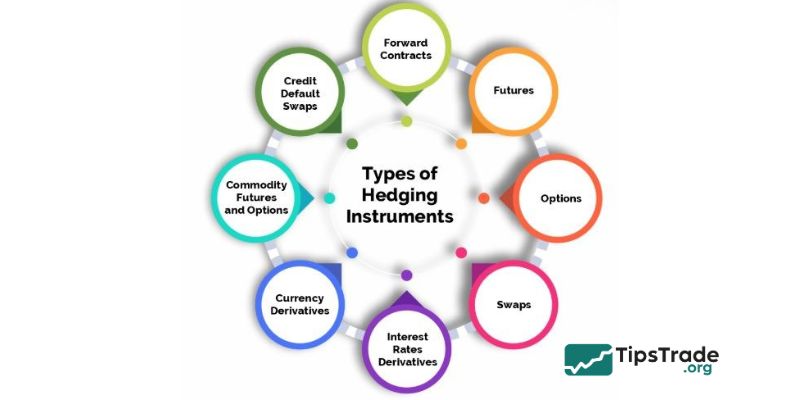
Hedging can be implemented through different financial tools, including: Futures contracts, Options, Contracts for Difference (CFDs), Forex instruments, Commodities. This highlights an important point: hedging is a strategy, not a specific financial product.
Advantages of hedging
Hedging provides portfolio stability. It helps investors reduce the impact of major market shocks and maintain asset value during periods of high volatility. Thereore, it is particularly suitable for:
- Long-term investors
- Import/export businesses managing currency risk
- Investment funds managing large portfolios
Disadvantages of hedging
However, hedging is not cost-free. Investors must consider transaction fees, option premiums, or other associated costs. Additionally, hedging may reduce potential profits if the market continues moving in the originally predicted direction. In other words, hedging trades profit potential for safety.
What is a CFD?
Definition of CFD
A CFD (Contract for Difference) is a derivative instrument that allows traders to profit from price movements without owning the underlying asset. When trading CFDs, you are simply speculating on the difference between the opening and closing prices of a position.

See more:
- Step-by-Step CFD Trading Guide for Beginners
- Is CFD difficult to learn for beginners? The Truth Explained
- Are CFDs Legal? Everything You Need to Know Before Trading
- Who is CFD for? Find Out Who Should and Shouldn’t Enter This Market
How do CFDs work?
CFDs allow traders to:
- Go long (buy) when expecting prices to rise
- Go short (sell) when expecting prices to fall
- Use leverage to amplify potential returns
Leverage is a key attraction of CFD trading, but it also significantly increases risk. Even small market movements can result in substantial gains, or losses.
Markets available for CFD trading
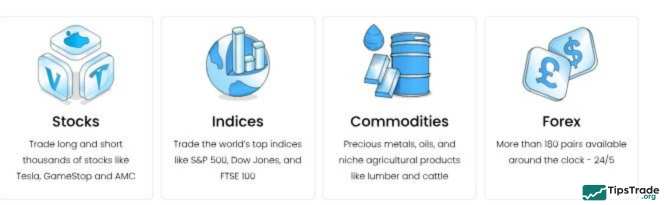
CFDs provide access to multiple markets, including: Forex, Stocks, Indices, Commodities, Cryptocurrencies. This flexibility makes CFDs particularly popular among short-term traders.
Advantages of CFDs
CFDs are accessible and flexible. With relatively small capital, traders can participate in major markets thanks to margin trading. Additionally, the ability to trade both upward and downward price movements creates opportunities in any market condition.
Disadvantages of CFDs
The main risk of CFD trading comes from leverage. Without proper risk management, traders may face margin calls or even wipe out their accounts. Furthermore, CFDs often involve overnight financing fees (swap fees), making them less suitable for long-term holding strategies.
Hedging vs CFD – Detailed comparison
| Criteria | Hedging | CFD |
|---|---|---|
| Nature | A risk management strategy designed to reduce potential losses | A derivative trading instrument used to speculate on price differences |
| Primary Objective | Protect capital and stabilize portfolio returns | Generate profit from price volatility |
| Risk Level | Reduces overall portfolio risk when properly executed | High risk, especially when using significant leverage |
| Leverage | Not necessarily required | Commonly used and a defining feature |
| Holding Period | Typically medium to long term | Mostly short term (scalping, day trading, swing trading) |
| Capital Requirement | Often applied to large portfolios or corporate hedging | Can start with small capital due to margin trading |
| Associated Costs | Option premiums, futures costs, opportunity costs | Spread, commission, overnight swap fees |
| Best Suited For | Long-term investors, investment funds, import/export companies | Retail traders, short-term speculators |
| Flexibility | Depends on chosen instrument | Highly flexible – easy to go long or short |
| Combination Potential | Can use CFDs, futures, or options to hedge | Can be used as a hedging tool if properly managed |
Can CFDs be used for hedging?
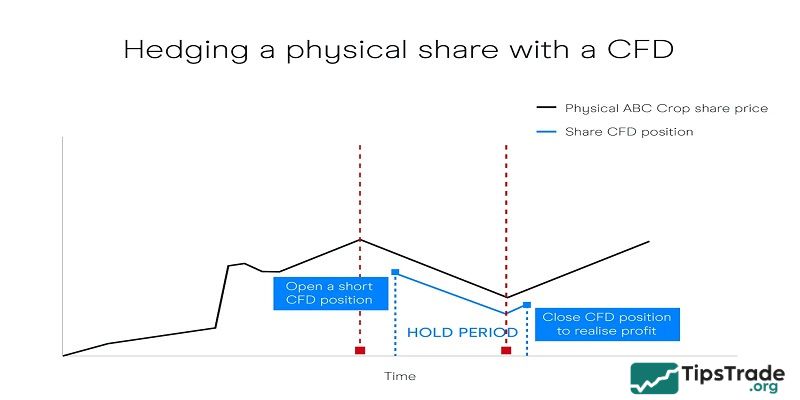
Yes, CFDs can be used for hedging purposes. For example, if you hold a long-term stock portfolio and anticipate a short-term market downturn, you can open a short position on an index CFD. If the broader market declines, profits from the CFD position may help offset losses in your stock portfolio.
However, hedging with CFDs requires careful calculation. Over-hedging or mismanaging leverage may create additional risks rather than reducing them.
When should you choose hedging and when should you trade CFDs?
Hedging is suitable for long-term investors who prioritize capital preservation over short-term gains. It is also commonly used by businesses exposed to currency or commodity price fluctuations.
CFDs are more appropriate for short-term traders, including scalpers, day traders, and swing traders. These market participants aim to capitalize on short-term price movements rather than hold underlying assets.
In some cases, combining both approaches can be beneficial. For example, you may invest in long-term stocks while using CFDs to hedge during periods of heightened volatility.
Some misconceptions about hedging vs CFD
- A common misconception is assuming that CFDs are equivalent to hedging. In reality, CFDs are merely instruments, while hedging is a strategy.
- Another mistake is using excessive leverage when attempting to hedge, which can increase costs and introduce unintended risks.
- Many traders also fail to account for long-term costs, particularly overnight fees when holding CFD positions for extended periods.
Conclusion: Hedging vs CFD – Which one is right for you?
When analyzing hedging vs CFD, there is no universally correct answer. The right choice depends on your financial goals, risk tolerance, and investment time horizon. If your priority is capital protection and reduced volatility, hedging is worth considering. If you aim to capitalize on short-term market movements for higher potential returns, CFDs may be more suitable.
Ultimately, the key is not choosing sides in the hedging vs CFD debate, but understanding the true function of each method and applying them appropriately. A solid risk management strategy remains the foundation of sustainable success in financial markets.
See more:
- Compare CFDs and Stocks: Differences, Similarities, and Which to Choose?
- What are CFD Take Profit and Stop Loss orders and how do you set them up?
- CFD Emotion Control: The Key to Success in the Contracts for Difference Market
- CFD vs Spread Betting: What’s the Difference? Which Trading Method Should You Choose?