
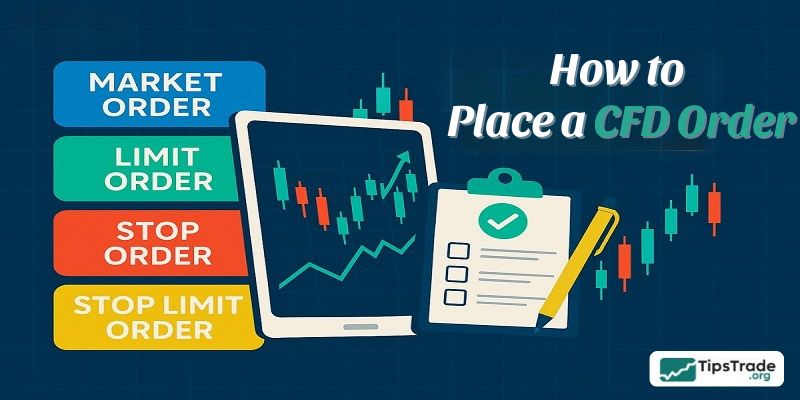
If you are new to trading, learning how to place a CFD order correctly is one of the most important skills you must master. A well-placed order not only determines your entry price but also directly impacts your risk exposure, profit potential, and overall trading discipline. This article will guide you through the detailed process of how to place a CFD order from A-Z, giving you the confidence to execute your first trade like a pro.
Why understanding how to place a CFD order is important
Knowing how to place a CFD order is more than just clicking the “Buy” or “Sell” button. It directly affects: Entry precision, Risk management, Capital protection, Emotional control. Many beginner traders lose money not because their analysis is wrong, but because they: Use excessive leverage, Fail to set stop loss orders, Choose the wrong order type, Enter trades impulsively.
=> So, mastering order placement is a foundational skill that separates disciplined traders from gamblers.

See more:
- What is CFD? Contracts for Difference Explained for Beginners
- Is CFD difficult to learn for beginners? The Truth Explained
- Compare CFDs and Stocks: Differences, Similarities, and Which to Choose?
- CFD vs Spread Betting: What’s the Difference? Which Trading Method Should You Choose?
Core concepts to master before placing a CFD order
Before hitting the “Place Order” button, you must understand the “language” of the trading platform. Without mastering these terms, it’s like driving a car without knowing what the road signs mean.
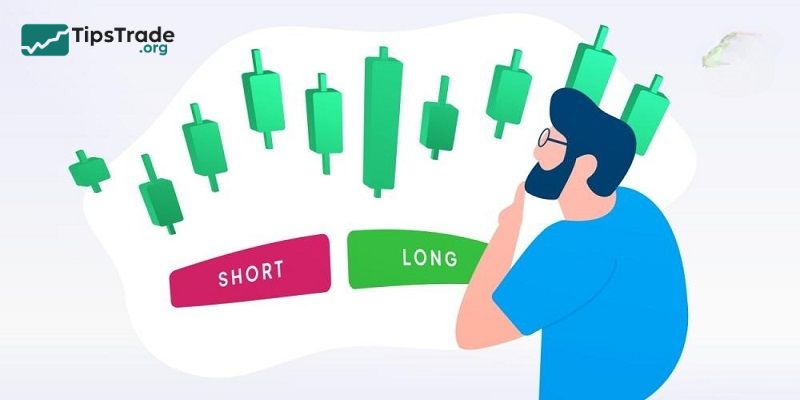
Long vs. Short: Which way is the market heading?
In traditional markets, you usually buy low and wait for the price to rise to sell. With CFDs, you can profit even when prices fall:
- Buy (Long Position): You place this order when you predict the asset’s price will rise. Your profit is the difference between a higher closing price and the opening price.
- Sell (Short Position): You place this order when you predict the price will fall. You “borrow” the asset from the broker to sell at a high price, hoping to buy it back later at a lower price to return it.
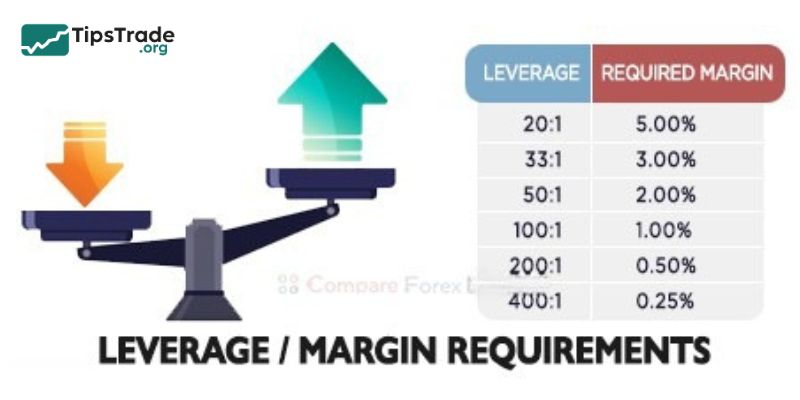
Leverage & Margin: A “Double-edged sword”
Leverage allows you to control a large position with a small amount of capital (Margin).
- Example: With 1:20 leverage, to open a position worth $2,000, you only need a margin of $100.
- Note: Leverage amplifies profits but also amplifies losses in the same proportion.
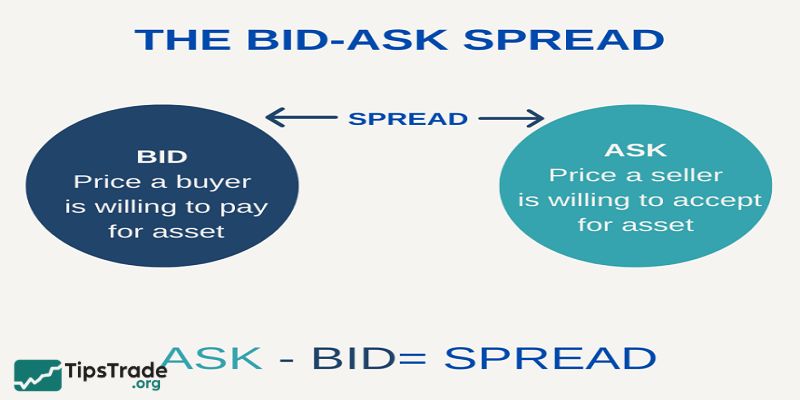
Spread, Bid, and Ask
On the digital board, you will always see two prices:
- Bid Price (Sell Price): The price you receive when opening a Sell position.
- Ask Price (Buy Price): The price you pay when opening a Buy position.
- Spread: The difference between the Bid and Ask. This is the transaction cost paid to the broker.
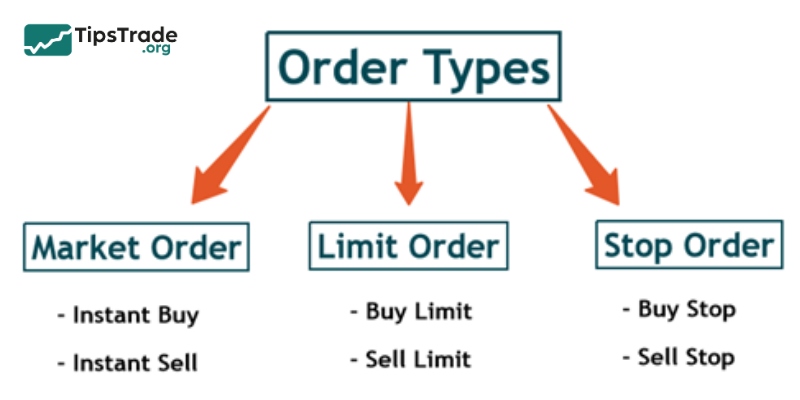
Common CFD order types you should know
Before learning how to place a CFD order, you must understand the different order types available:
| Order Type | Definition | Strategy Application |
| Market Order | Fills immediately at the best available current price. | Use when you need to enter the market urgently. |
| Limit Order | Only fills when the price reaches your desired level (or better). | Use when you want to “bargain” (Buy lower than current price). |
| Stop Order | An order to buy/sell once the price passes a specific threshold. | Used in Breakout trading strategies. |
| Trailing Stop | A stop loss that automatically moves as the price moves in your favor. | Used to maximize profits during strong trends. |
How to place a CFD order: Step-by-Step Guide
Now let’s explore the practical process of how to place a CFD order.
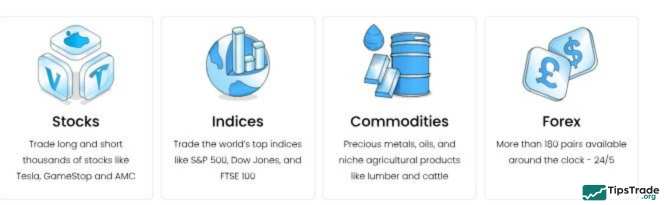
Step 1: Select the market and asset you want to trade
Nowadays, trading platforms provide access to thousands of assets. Don’t try to trade everything. Focus on what you understand best:
- Forex: Major pairs like EUR/USD, GBP/USD.
- Stocks: Apple, Tesla, or emerging AI corporations.
- Commodities: Gold (XAU/USD), Crude Oil, or Clean Energy.
- Indices: S&P 500, NASDAQ 100.
>>See more: Common CFD Asset Types and How to Choose the Right One for Traders
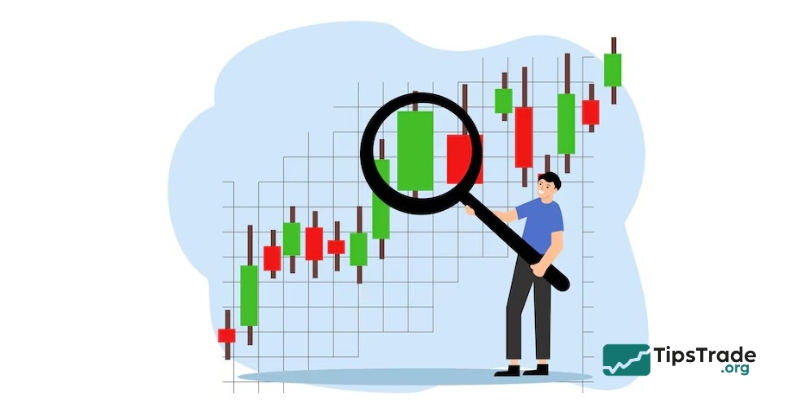
Step 2: Analyze the market
Never place an order based on “gut feeling.” You need a foundation:
- Technical Analysis: Examine charts, MA lines, RSI, or candlestick patterns.
- Fundamental Analysis: Follow the economic calendar, earnings reports, or FED interest rate decisions.
Step 3: Determine your position sizing
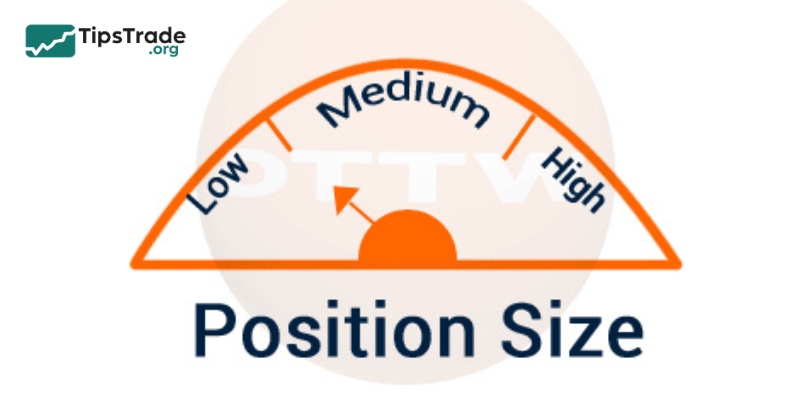
This is where most beginners make mistakes. Your position size (lots or units) determines how much money you win/lose per “pip” of price movement.
- Basic Formula:

- Advice: Never risk more than 1-2% of your total account balance on a single trade.
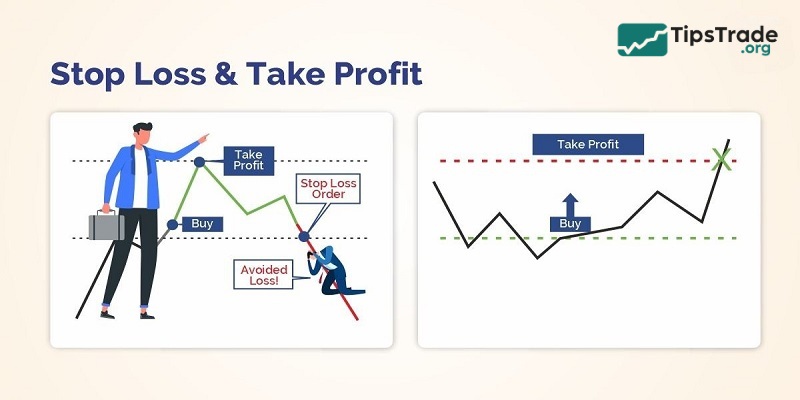
Step 4: Set protection orders (Stop loss/Take profit)
This is the “survival” step in risk management:
- Stop Loss: The price at which the order will automatically close to prevent further losses. Think of this as the “airbag” in your car.
- Take Profit: Your target price. When the price hits this level, the system automatically secures the profit for you.
Step 5: Review and confirm the order
Before clicking the final button, take 3 seconds to double-check:
- Is it the correct asset symbol?
- Is it the correct direction (Buy/Sell)?
- Is the Volume (lots) correct (no extra zeros)?
- Have you set a Stop Loss?

Practical example of placing a CFD order
Index CFD trade example
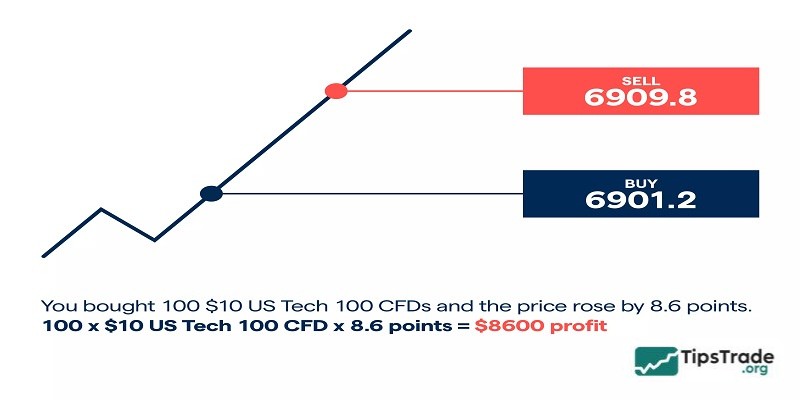
Let’s say that you wanted to speculate on the US Tech 100 index going up, above its current price of 6900 (buy 6901.2, sell 6898.8). So, you buy 100 CFDs at the buy price of 6901.2. A single US Tech 100 CFD is worth $10, so if you predict correctly and the US Tech 100 price goes up to 6911 (buy 6912.2, sell 6909.8), and you close your position by selling your CFDs at the new sell price of 6909.8, you’d have made a profit of $8600 ([6909.8 – 6901.2] x $10 x 100 CFDs).
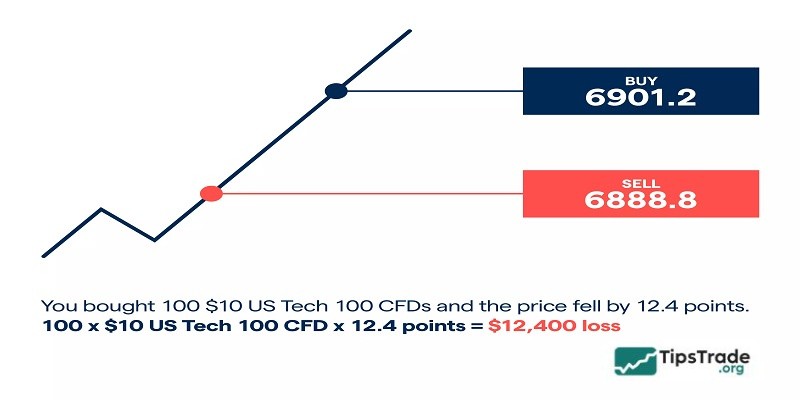
If the index moves against you and you decide to close your position, you’d make a loss. For example, if the price drops to 6890 (buy price 6891.2, sell price 6888.8), you’d close your position by selling at the new sell price of 6888.8) In this case, you would have made a loss of $12,400 ([6901.2 – 6888.8] x $10 x 100 CFDs).
Share CFD trade example
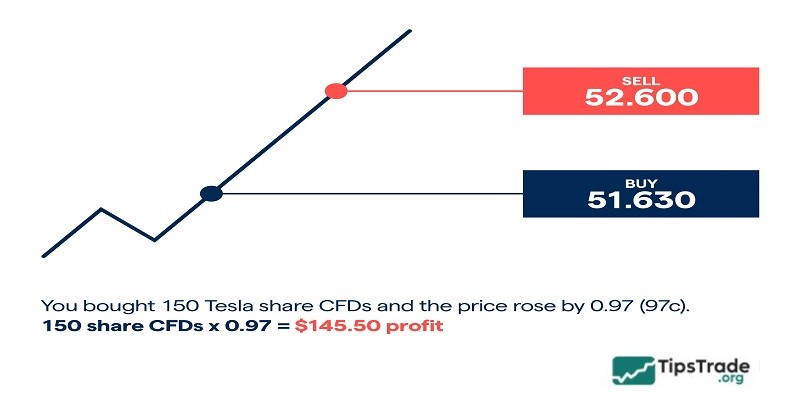
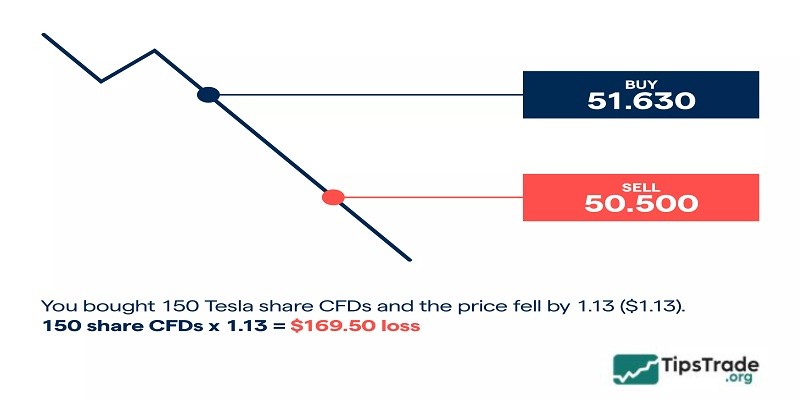
Shares of Tesla Motors Inc (24 Hours) TSLA-US are currently trading at 51.615 with a buy price of 51.630 and a sell price of 51.600. You anticipate that the stock is going to increase in value over the next few days, so you decide to buy 150 share CFDs of TSLA-US at 51.630.
Say the TSLA-US share price did climb and was trading at 52.615 with a new buy price of 52.630 and sell price of 52.600. You would close your position by reversing your initial trade, selling 150 share CFDs of TSLA-US at 52.600. To calculate your profit, you’d multiply the difference between the closing price and opening price of your trade by its size. In this case, your profit would be $145.50 ([52.600 – 51.630] x 150), excluding any additional costs.
However, if the Tesla share price had decreased to 50.515 (buy price 51.630 and sell price 50.500) and you had closed your position by selling the shares at the new sell price, you would make a loss. You could calculate this loss as the difference between the closing price and opening price of your trade by its size. In this case, that would be a loss of $169.50 ([51.630 – 50.500] x 150 share CFDs), excluding any additional costs.
Common mistakes when placing a CFD order
Even if you know how to place a CFD order, these bad habits can “burn” your account overnight:
- Overtrading: Placing too many orders at once, making it impossible to manage and racking up high spread costs.
- Forgetting the Stop Loss: Many traders think “the price will come back.” In reality, the market can go much further against you than you expect.
- Revenge Trading: After a losing trade, you immediately place a larger order hoping to recover. This is the fastest path to bankruptcy.
- Ignoring Overnight Fees (Swap): If you hold a CFD position overnight, you will pay or receive a small fee. For large, long-term positions, these fees can erode your profits.
Conclusion
Knowing how to place a CFD order is the most basic skill, but to succeed, you need discipline and a strict risk management strategy. Do not rush into depositing large amounts of money at the beginning. The advice from experts is to first open a demo account with a reputable broker. Practice placing all types of orders (Market, Limit, Stop Loss,…) for at least two weeks to get used to the interface and market reactions. When you can “place an order correctly with your eyes closed “, that is when you are ready for a Real account. Wishing traders success!