

How to trade ETFs effectively requires understanding their unique features and market dynamics. Exchange-Traded Funds (ETFs) offer investors a flexible and cost-efficient way to diversify their portfolios across various asset classes. To trade ETFs successfully, investors must learn how to analyze market trends, select the right ETFs that fit their investment goals, and apply appropriate trading strategies to maximize returns while managing risks. Explore the detailed article at Tipstrade.org to be more confident when making important trading decisions.
How to Trade ETFs
What ETFs Are and How They Work
- ETFs are pooled investment funds that track an index, sector, commodity, or other asset class. They trade on exchanges like stocks, allowing intraday buying and selling.
- Unlike mutual funds, ETFs provide transparency, liquidity, and the ability to enter or exit positions quickly. For example, the SPDR S&P 500 ETF Trust (SPY) tracks the S&P 500 index, giving investors exposure to 500 large-cap U.S. companies.
- ETFs can hold equities, bonds, commodities, or a combination, and are structured as physical (holding actual assets) or synthetic (using derivatives).
- Understanding these differences helps investors select the right ETF based on objectives, risk tolerance, and trading style.
Differences Between ETFs and Mutual Funds
- While both ETFs and mutual funds offer diversification, ETFs trade like stocks with intraday pricing, while mutual funds are priced at the end-of-day NAV.
- ETFs generally have lower expense ratios and tax advantages due to in-kind creation/redemption processes. Experience example: An investor seeking flexibility for tactical allocations prefers ETFs over mutual funds because they can execute trades instantly, while mutual funds require waiting for end-of-day pricing.
- Knowing these differences ensures investors select the most appropriate vehicle for their portfolio strategy.
Benefits and Risks of Trading ETFs
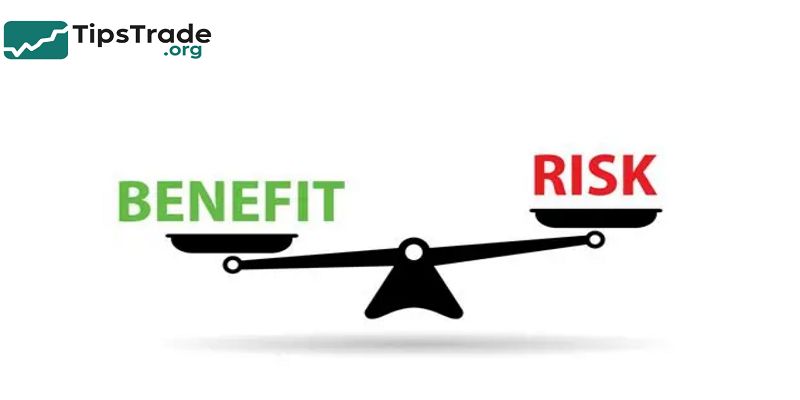
Benefits:
- Diversification across multiple assets
- Lower cost compared to actively managed mutual funds
- Intraday trading flexibility
- Transparency of holdings
Risks:
- Market volatility affecting ETF price
- Tracking error vs. underlying index
- Liquidity issues for thinly traded ETFs
- Hidden costs such as bid-ask spreads and brokerage fees
Expertise insight: According to Morningstar, ETFs with large AUM and high average daily volume generally have narrower bid-ask spreads, making them more cost-efficient for active trading.
Choosing the Right ETFs
Identifying ETFs by Asset Class
Selecting the right ETF begins with identifying the target asset class:
- Equity ETFs – U.S. stocks, international stocks, sector-specific
- Bond ETFs – government, corporate, municipal bonds
- Commodity ETFs – gold, oil, agricultural commodities
- Thematic ETFs – AI, ESG, technology trends
Example: A long-term investor seeking income may choose a Vanguard Total Bond Market ETF (BND), while a growth-focused investor may prefer Vanguard Total Stock Market ETF (VTI).
Considering Liquidity and Trading Volume
- ETF liquidity is critical to minimize trading costs. Highly liquid ETFs have tight bid-ask spreads, reducing implicit costs.
- Experience example: An investor trading SPY enjoys spreads of ~0.01%, while trading a niche emerging market ETF may face spreads >0.10%, increasing transaction costs.
- Check average daily volume and assets under management to assess liquidity.
Expense Ratios and Total Cost of Ownership
- Expense ratios impact long-term returns. Low-cost ETFs like VTI (0.03%) or IVV (0.03%) offer efficient exposure, while niche or actively managed ETFs may charge 0.50% or more.
- Include bid-ask spreads and commission fees in the Total Cost of Ownership (TCO) calculation for accurate comparisons.
Aligning ETFs with Investment Goals and Risk Tolerance
- Before trading, define objectives: growth, income, or hedging. Assess risk tolerance and time horizon.
- Example: Conservative investors may favor treasury ETFs, while aggressive traders may invest in small-cap or leveraged ETFs. Matching ETFs with goals reduces potential stress and enhances portfolio alignment.
How to Buy and Sell ETFs
Selecting a Brokerage Platform
- Choose a brokerage with competitive commissions, low trading fees, and robust research tools.
- Popular platforms include Fidelity, Schwab, Vanguard, and Interactive Brokers.
- Expert tip: Commission-free ETFs simplify trading for small investors, but check for hidden fees.
Opening an Account and Funding It
- Set up a taxable brokerage account or tax-advantaged account (IRA, Roth IRA) depending on goals.
- Fund the account with sufficient capital for intended trades. Verify account verification, funding timelines, and minimum balance requirements.
Placing Market vs. Limit Orders
- Market orders execute immediately at the current market price.
- Limit orders execute only at a specified price, preventing overpaying due to spreads.
Example: Buying 100 shares of IVV at market order may cost $1,000 more than a limit order during volatile periods. Limit orders are preferred for less liquid ETFs or intraday trading.
Understanding Order Execution and Settlement
- ETF trades typically settle in T+2 days (trade date plus two business days). Investors receive dividends, and trades reflect in account holdings after settlement.
- Understanding settlement avoids confusion about available cash for subsequent trades.
ETF Trading Strategies
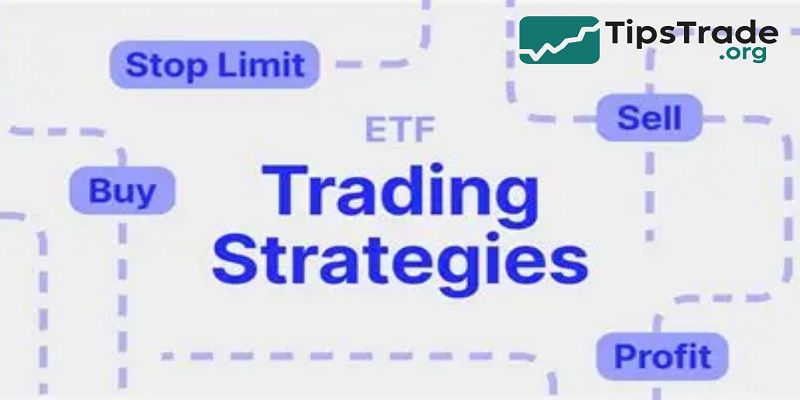
Buy-and-Hold vs. Active Trading
- Buy-and-Hold: Suitable for long-term investors; minimizes trading costs, tax impact, and benefits from compounding.
- Active Trading: Aims to capitalize on short-term price movements; requires liquidity, market monitoring, and careful risk management.
Example: A buy-and-hold investor in VTI over 10 years experiences consistent growth with minimal cost, while an active trader in leveraged ETFs faces higher volatility and costs.
Dollar-Cost Averaging (DCA)
- DCA involves investing a fixed amount regularly, smoothing out market volatility.
- Experience example: Investing $500 monthly in BND reduces timing risk and builds position gradually, ideal for new investors or those cautious about market swings.
Intraday Trading Considerations
- Intraday traders must monitor liquidity, spreads, and volatility. High-volume ETFs like SPY and QQQ allow intraday trading efficiently.
- Use limit orders and avoid trading during market opens or closes to reduce spread costs.
Hedging and Portfolio Rebalancing with ETFs
- ETFs can hedge equity risk using inverse ETFs or bond ETFs. Regular rebalancing aligns portfolio with risk tolerance and target allocation.
Example: A 60/40 portfolio may shift exposure with bond ETFs like AGG or equity ETFs like VTI to maintain balance.
Managing Risks in ETF Trading
Market Volatility and Liquidity Risk
- ETFs can fluctuate with markets. Illiquid ETFs may face wider spreads, increasing trading costs.
- Expert tip: Stick to ETFs with high AUM and average daily volume for cost-efficient trades.
Tracking Error Risk
- Tracking error occurs when ETF performance deviates from its benchmark. Minimizing tracking error ensures ETF returns closely mirror intended index performance.
Sector Concentration and Diversification
- Overexposure to a sector or asset class increases risk. Diversified ETFs mitigate concentration risk.
- Example: Using broad-market ETFs like VTI and BND balances equity and fixed-income exposure.
Tax Implications and Trading Frequency
- Frequent trading can trigger short-term capital gains, taxed at higher rates. Long-term, buy-and-hold strategies reduce tax liability.
- Consider tax-advantaged accounts for taxable ETFs or use municipal bond ETFs to minimize taxes.
Tools and Resources for Successful ETF Trading
- ETF Screeners: Morningstar, ETF.com
- Brokerage Research Tools: Fidelity, Schwab, Vanguard platforms
- Financial News & Analysis: Bloomberg, CNBC, MarketWatch
Example: Using an ETF screener, an investor can filter by expense ratio <0.10%, average volume >1M, and AUM >$1B, identifying cost-efficient, liquid ETFs for trading.
Common Mistakes to Avoid When Trading ETFs
- Overtrading: Increases costs and tax liability
- Ignoring Trading Costs: Commissions and spreads reduce net returns
- Neglecting Diversification: Concentrated positions increase risk
- Misunderstanding ETF Structure: Confusing synthetic ETFs with physical ETFs may lead to unexpected tracking errors
Experience insight: New traders often chase performance without considering costs or liquidity, which can erode returns over time.
Conclusion
Trading ETFs effectively requires understanding structure, costs, risks, and strategies. By selecting the right ETFs, using limit orders, managing risk, and leveraging tools for analysis, investors can maximize returns while minimizing costs.