
Hedge funds vs private equity funds is essential for investors exploring the alternative investment universe. Although both belong to the same asset class, they operate with fundamentally different strategies, risk levels, liquidity profiles, and performance expectations. Many investors compare the two because they want to balance short-term portfolio flexibility with long-term capital growth. By the end, you’ll clearly understand which fund type aligns best with your risk tolerance, liquidity needs, and investment horizon. Explore the detailed article at tipstrade.org to be more confident when making important trading decisions.
Introduction to Alternative Investment Funds
Alternative investment funds are vehicles that invest outside traditional markets like public equities or bonds.
They have become increasingly popular as investors search for returns beyond what standard portfolios can offer.
According to preqin, the alternative investment industry surpassed $23 trillion in assets by 2023, driven largely by hedge funds, private equity, and real estate.
Investors look to alternatives for diversification, inflation protection, and access to strategies unavailable in traditional funds.
Hedge funds often trade in public markets with flexible mandates, while private equity funds invest directly in private businesses with long-term value-creation goals.
The following sections explain why these two fund types are frequently compared and how investors can choose between them based on goals, liquidity, fees, and returns.

What Are Alternative Investment Funds?
Alternative investment funds include hedge funds, private equity, venture capital, real estate investment funds, commodity pools, and infrastructure funds. These vehicles often pursue high-return strategies—sometimes with leverage, derivatives, or ownership control—to outperform traditional asset classes.
Because of their complexity and reduced liquidity, most alternative funds require investors to meet specific thresholds:
- Accredited investors (income ≥ $200k/year or $1M net worth)
- Qualified purchasers (≥ $5M in investable assets)
Unlike mutual funds regulated under the Investment Company Act of 1940, alternative funds are exempt from many operational restrictions. This gives managers more flexibility but also requires investors to accept higher risk and less regulatory oversight.
Professionally, analysts reviewing alternative investments tend to evaluate their alignment with portfolio objectives, not just performance numbers.
Why Do Investors Compare Hedge Funds vs Private Equity Funds?
Investors compare hedge funds and private equity funds because both offer access to sophisticated strategies yet behave differently in real-world portfolios.
Hedge funds are attractive for those seeking liquidity, short-term alpha, and market hedging techniques. Private equity, however, appeals to investors targeting long-term compounded growth, company ownership, and operational improvements that drive higher valuations.
Institutional allocators—such as pension funds or endowments—use both for complementary reasons: hedge funds reduce volatility during market swings, while private equity contributes powerful long-term returns.
Based on research from Cambridge Associates, private equity funds have historically generated annualized returns of 12–18%, while hedge funds generally deliver 6–10% depending on strategy.
Thus, comparing the two helps investors understand risk, time horizon, transparency, and expected performance.
Regulatory Environment

The regulatory landscape differs sharply between hedge funds and private equity funds. Both fall under SEC oversight but face different reporting requirements.
Regulatory Oversight for Hedge Funds
- Hedge funds must register under the Investment Advisers Act of 1940 if they exceed the asset threshold.
- Managers file Form ADV, disclosing strategy, fees, conflicts of interest, and risk. Larger funds must submit Form PF, which reports leverage, counterparty exposure, and liquidity.
- Regulators focus heavily on valuation practices, marketing claims, and fair dealing.
- SEC enforcement reports show many hedge fund penalties arise from incorrect performance reporting or misleading investor disclosures.
Regulatory Oversight for Private Equity Funds
- Private equity funds also fall under the Advisers Act. However, regulatory emphasis focuses on fiduciary duty, valuation of portfolio companies, fee transparency, and conflicts of interest.
- Because PE funds handle long-term capital commitments, the SEC requires clear reporting on capital calls, distributions, waterfall structures, and side letters.
- Examinations often review management fee calculations, expense allocations, and co-investment practices.
Transparency & Reporting Differences
- Hedge funds typically provide monthly or quarterly performance reports.
- Private equity funds report less frequently, often quarterly with detailed portfolio updates and valuation methodologies.
- PE reporting is slower because underlying businesses are private and require manual analysis.
- Hedge fund reporting is faster due to market transparency.
- Investors evaluate reporting quality when selecting managers—more transparent managers tend to build stronger long-term relationships.
Fee Structures

Fees are one of the biggest differences between hedge funds and private equity.
Hedge Fund Fees
Hedge funds follow the classic 2/20 model (2% management fee, 20% performance fee). Many also use:
- High-water mark (protects investors)
- Hurdle rate (minimum return before fees)
Fees compensate managers for active trading and strategy execution. However, competition has reduced average fees to around 1.5/17 industry-wide.
Private Equity Fees
- PE funds also charge management fees, usually 1.5–2% on committed capital. The primary incentive is carried interest, traditionally 20% of profits, structured through a waterfall model.
- Carried interest rewards long-term value creation, especially when exits generate large gains. Because capital is locked for years, fees must compensate managers for extended operational involvement.
Why Fee Structure Impacts Returns
- Fees significantly affect investor returns, especially over long periods. Hedge fund fees reduce compounding because they are charged annually.
- PE fees are heavy upfront, but long-term capital appreciation often offsets the cost.
- Research shows net returns depend more on manager skill than fee level.
Risk Profiles & Return Expectations
Risk varies greatly between hedge funds and private equity funds.
Hedge Fund Risks
Hedge funds experience:
- Market volatility
- Leverage risk
- Liquidity constraints
- Counterparty exposure
Returns range from stable macro strategies to highly volatile equity funds. Hedge fund investors evaluate Sharpe ratios, drawdowns, and consistency.
Private Equity Risks
Private equity risks include:
- Illiquidity
- Operational failures
- Market downturns affecting valuations
- Leverage in buyouts
- However, active management often mitigates business risks, making returns more controllable. PE funds historically outperform public markets over long horizons.
Typical Return Profiles
- Hedge funds: 6–10% annually
- Private equity: 12–18% IRR
- Venture capital: Higher highs, higher risk
Investors choose based on liquidity needs and time horizon.
Liquidity & Investment Horizon
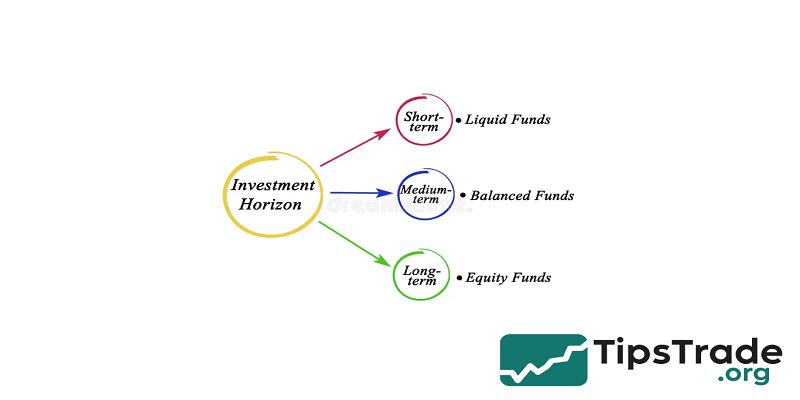
Liquidity is one of the most important differences.
Hedge Fund Liquidity
- Most hedge funds allow monthly or quarterly redemptions with notice periods. Some impose gates during stress periods.
- Liquidity makes hedge funds suitable for investors needing flexible capital.
Private Equity Lock-up Periods
- PE funds lock capital for 7–12 years. Investors commit funds and cannot redeem early.
- This structure supports long-term operational planning and value creation.
Which Is Better for Different Investors?
- Short-term focus → hedge funds
- Long-term wealth building → private equity
- Institutions seeking diversification → both
Structure, Capital Requirements & Investor Eligibility
Minimum investments often range from $250k to $1M, sometimes more.
Hedge Fund Minimum Investment
- Some hedge funds accept $100k, but top-tier funds may require $1M+. Investors must be accredited or qualified purchasers.
Private Equity Minimum Investment
- PE minimums typically start at $250k–$5M. Institutional funds often set higher thresholds.
Eligibility Rules
- Eligibility ensures investors understand risks and can afford potential losses.
Operational Differences

Hedge Fund Operations
- Hedge funds operate like trading firms: analysts, traders, risk managers, and compliance teams.
- Daily operations involve monitoring markets, adjusting exposure, and reviewing macro signals.
Private Equity Operations
- PE firms work directly with management teams to transform companies.
- Activities include restructuring, cost optimization, hiring executives, and designing growth strategies.
Roles in Each Fund Type
- Hedge fund: PM, analyst, trader, quant, risk officer
- Private equity: partners, associates, operating teams, M&A specialists
Conclusion
Hedge funds and private equity funds each offer unique advantages. Hedge funds provide liquidity and flexibility; PE provides long-term, higher returns. The right choice depends on your investment goals.